
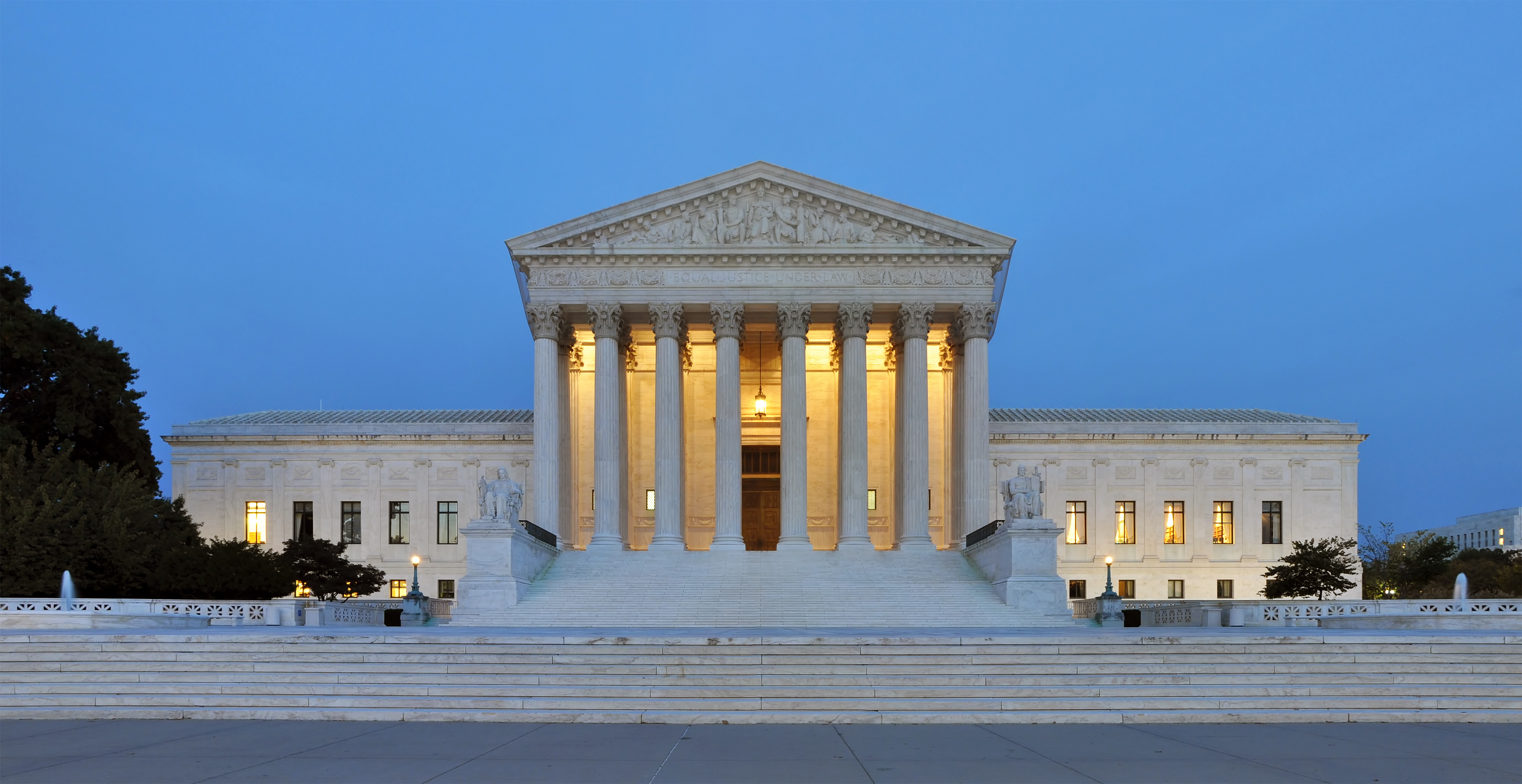
The US Supreme Court agreed on Tuesday to hear President Donald Trump’s administration’s appeal of two lower court rulings that found the tariffs he imposed were unlawful, holding that they exceeded presidential authority under the International Emergency Economic Powers Act (IEEPA).
The Supreme Court issued a writ of certiorari, an allowance of appeal, in Trump v. VOS Selections, Inc., consolidating it with Learning Resources v. Trump. The US Court of Appeals for the Federal Circuit and US District Court for the District of Columbia both ruled that the IEEPA does not authorize the president to impose tariffs. While the act allows the president to “regulate” imports during a national emergency, the lower courts found that this power is distinct from the power to lay taxes, noting that historically, presidents have had only limited discretion to raise or lower taxes that Congress already imposed.
In its petition for a writ of certiorari, the Trump administration argued that tariffs have long been treated as an “ordinary tool of import regulation.”
The tariffs at issue stem from two executive orders. Trump first imposed tariffs on Mexico, Canada, and China, as part of an effort to curb drug trafficking. The administration later expanded the measures to cover nearly all US trading partners, characterizing them as “reciprocal tariffs.” According to the administration, both sets of tariffs respond to declared national emergencies, namely, drug trafficking, and the economic and national security threats posed by foreign trade barriers. The tariff rates have shifted as negotiations with trading partners have progressed.
The Supreme Court is expected to hear oral arguments on the two consolidated cases this November.

