
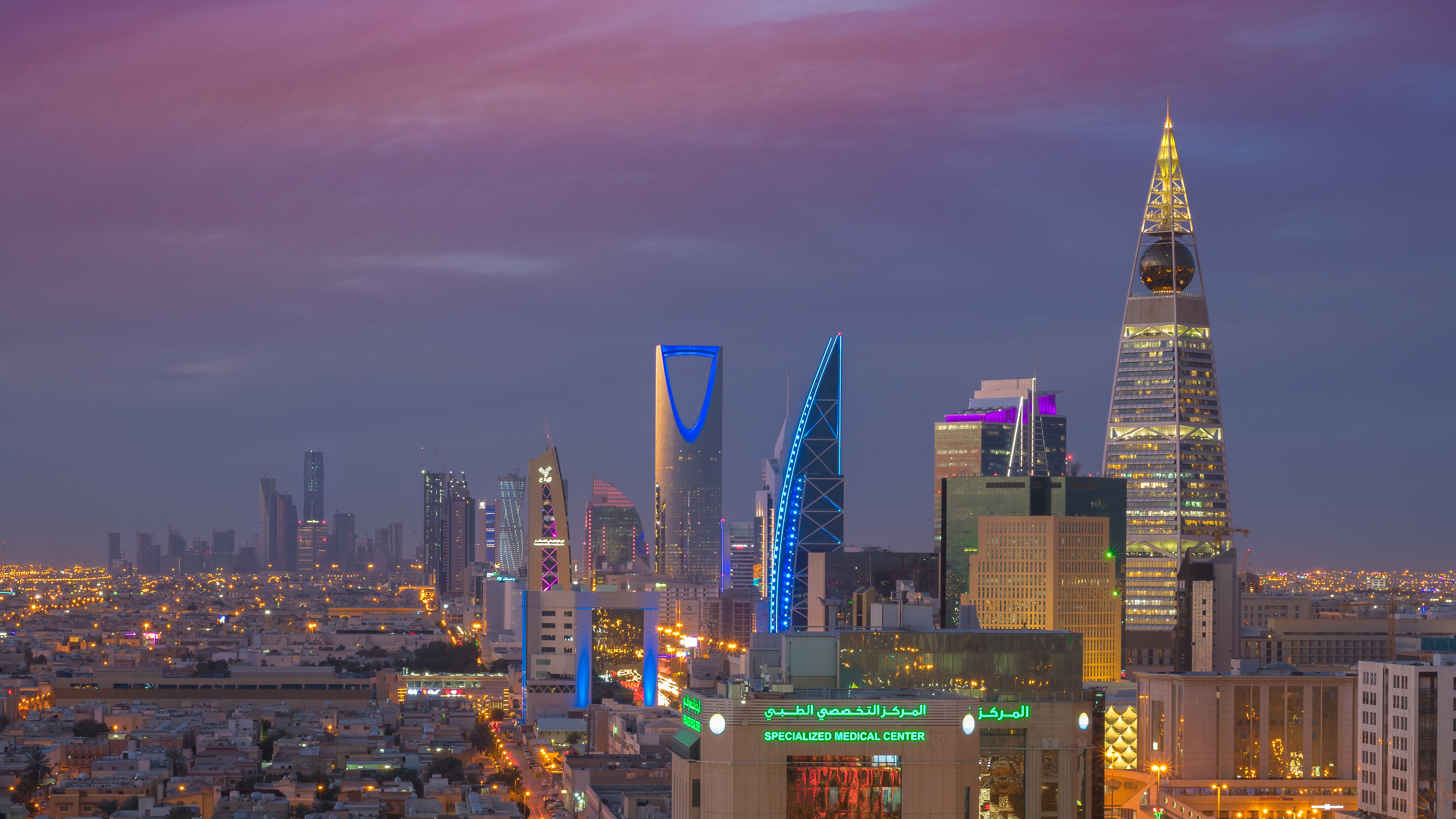
The upcoming Riyadh Comedy Festival is being used by the Saudi government to “deflect attention” from human rights abuses and its repression of free speech, said Human Rights Watch (HRW) on Tuesday.
HRW stated that the festival is being used to whitewash the government’s human rights violations, with the seventh anniversary of the killing of the journalist Jamal Khashoggi occurring during the festival dates. A researcher on Saudi Arabia at HRW, Joey Shea, said that “comedians receiving hefty sums from Saudi authorities shouldn’t be silent” but should “use this high profile opportunity to call for the release of detained Saudi activists.” HRW highlighted cases of activists who have been imprisoned, such as Waleed Abu al-Khair and Manahel al-Otaibi, or executed, such as journalist Turki al-Jasser and political analyst Abdullah al-Shamri, for their speech.
HRW stated that it had written to “the representatives and management” of some of the comedians about these issues, but did not receive a response. Tim Dillon, a comedian who was planning to perform at the festival, said on his podcast that he was fired after making jokes about Saudi Arabia “having slaves”.
The Riyadh Comedy Festival, which takes place for the first time from September 26 to October 9, will host over 50 comedians in ticketed performances in the Saudi capital. The performers include well-known American and British comics such as Kevin Hart, Dave Chappelle, Aziz Ansari, Pete Davidson, and Jimmy Carr. It is described as the “world’s largest comedy festival.” The festival is part of Saudi Arabia’s Vision 2030 strategy, which aims to “diversify the economy and reduce reliance on oil revenues” through encouraging growth in the tourism sector in particular.
Rights groups have recently expressed alarm about a surge in executions in Saudi Arabia. The country is not a party to the international conventions that protect free speech, including Article 19 of the Universal Declaration of Human Rights and Article 19 of the International Covenant on Civil and Political Rights, and criminalizes criticism of Islam and the government.

