
Human Rights Watch (HRW) on Monday spurred global leaders to reinforce the global ban on cluster munitions, and urged states still using or producing these weapons to promptly join the treaty. The statement came following the Cluster Munition Coalition (CMC) release of its annual report.
Mark Hiznay, associate crisis, conflict and arms director at HRW, explained the call to action:
Civilians around the world continue to lose their lives and limbs to cluster munitions, even from weapons used decades ago… Members of the Convention on Cluster Munitions should abide by the treaty’s provisions and encourage other governments to immediately stop using cluster munitions… Governments should now act to reinforce the stigma against these indiscriminate weapons and condemn their continued use.
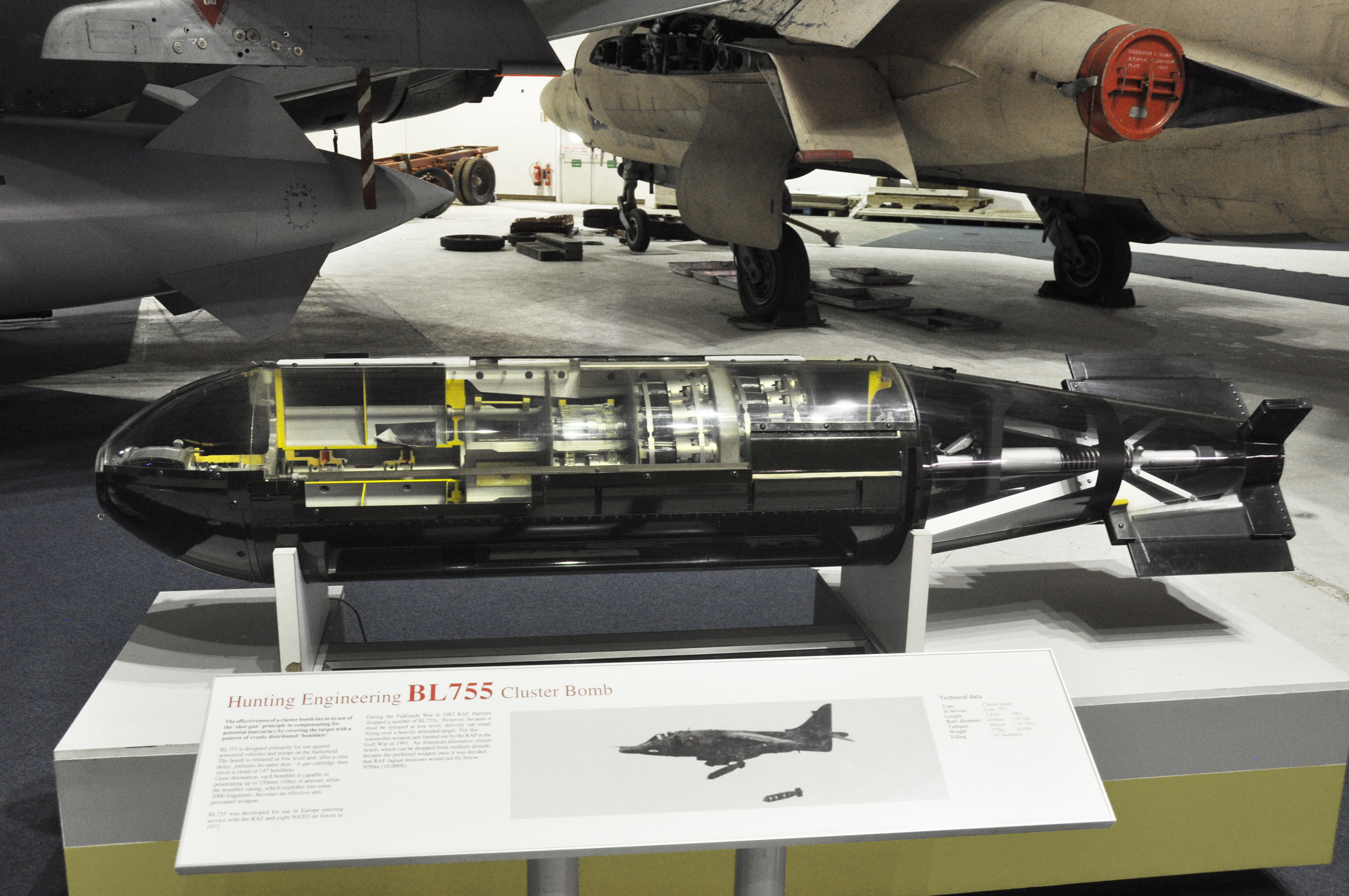
Cluster munitions are weapons that disperse multiple explosive submunitions over a wide area, making them unable to distinguish between civilians and combatants. Many of the submunitions fail to explode on impact, leaving dangerous, unexploded remnants that continue to kill and injure civilians for years, similar to landmines. Adopted in 2008, the Convention on Cluster Munitions is an international treaty that prohibits the use, production, storage, and transfer of cluster munitions.
The CMC’s 2025 report examines international adherence to the 2008 treaty. The treaty faced an unprecedented challenge when Lithuania became the first state ever to withdraw from the convention in March, triggering formal condemnation from 47 countries.
Countries that are not party to the convention, including Russia and Ukraine, continued to use cluster munitions in 2024 and 2025. Between July 2023 and October 2024, the United States, which remains outside the treaty’s framework, announced at least seven transfers of cluster munitions to Ukraine. Iran was accused of deploying cluster munitions against Israel in July, and the Thai military appeared to admit it had used cluster munitions in its border conflict with Cambodia.
Despite these incidents, the convention demonstrates strong legal compliance among its 112 state parties. Since its adoption, none of the ratifying countries have used cluster munitions, and all members successfully completed mandatory stockpile destruction by 2023, eliminating 1.49 million cluster munitions and 179 million submunitions

