
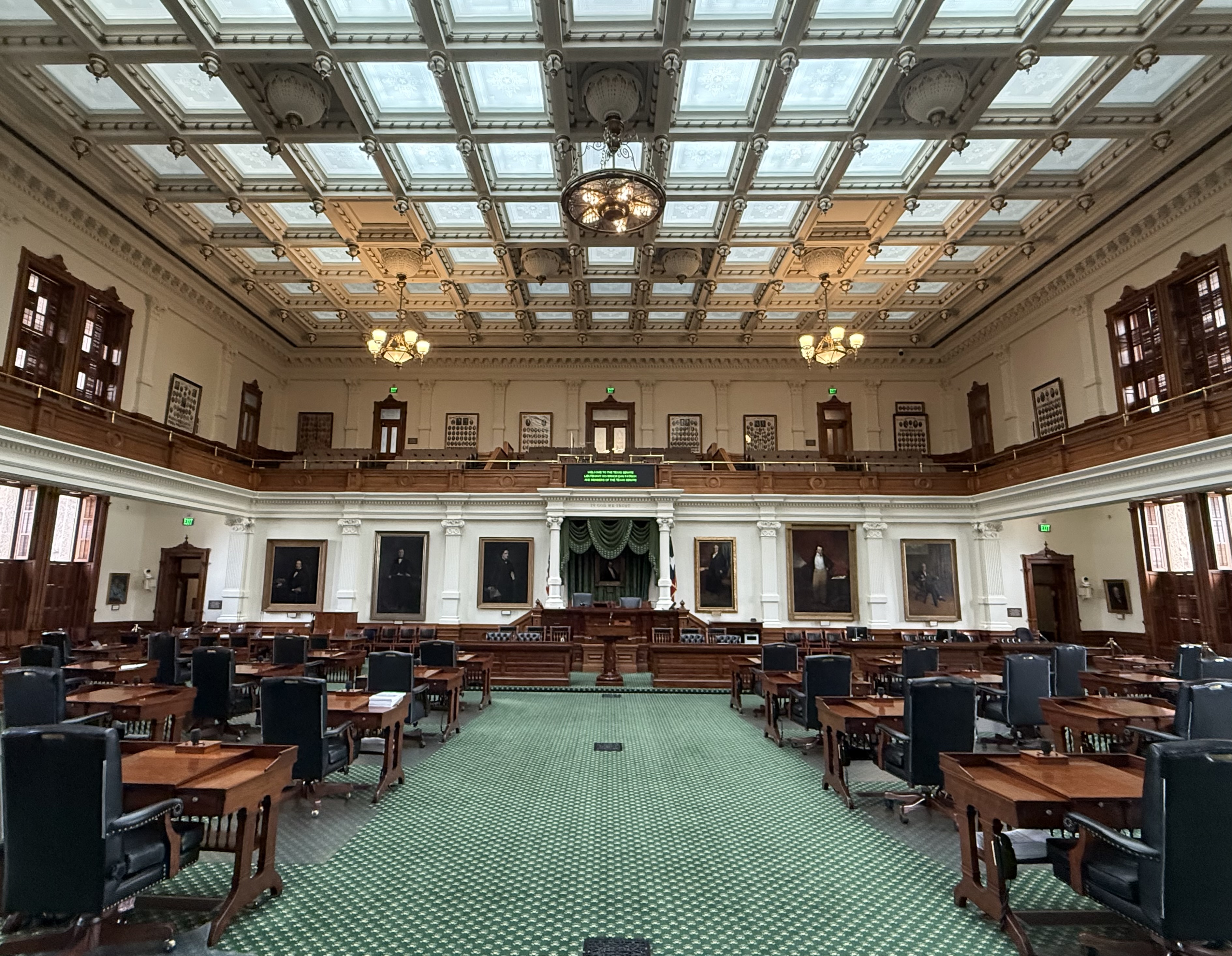
The Texas Senate passed a redistricting map (S.B. No. 4) on Tuesday that has been at the center of national debate. Two Democrats remained in chambers, allowing the Senate vote to proceed and prevail 19-2. The bill’s passage does not enact the legislation; it must pass both chambers before presentation to Governor Greg Abbott, who has been vocal about the contention surrounding the bill’s plausible outcomes. The outcome could be an additional five Republican seats in the United States House of Representatives.
Regarding the passage of S.B. No. 4, Lieutenant Governor Dan Patrick remarked:
Today, the Texas Senate passed the new congressional map, including 5 new Republican majority districts. The Texas Senate will continue passing this map each legislative session to accurately reflect our state until House Democrats return from their ‘vacation’ and get back to work for the people of Texas.
Governor Abbott also weighed in, “I will continue to call special session after special session until we get this Texas First agenda passed.”
In early August, 50 Democrats left Texas to pause consideration of the bill, most of whom serve in the Texas House. The tactic is often called “quorum breaking.” Minority delegations of Republicans and Democrats use it to highlight legislation and confirmations they disfavor, or as a means to muster leverage and negotiate concessions. In this instance, Texas law requires a two-thirds majority vote instead of a simple majority to maintain a quorum (minimum number of members needed to validate proceedings). And under Article III of the Texas Constitution, attending members can legally compel absent representatives through penalty to participate in legislative sessions. By representatives being outside Texas’s borders, beyond the jurisdictional reach of state law enforcement, Democrats can further delay these proceedings.
Democrats criticized the redistricting maps, calling them a “brazen attempt to rig elections,” a “waste of time during our time of crisis,” and a “waste of tax dollars.” The dispute rekindled national discourse surrounding gerrymandering, its appropriateness, inappropriateness, and history of use throughout the United States. At this time, the Texas House does not have enough members to proceed with a vote on the redistricting map. The dispute remains ongoing.

