
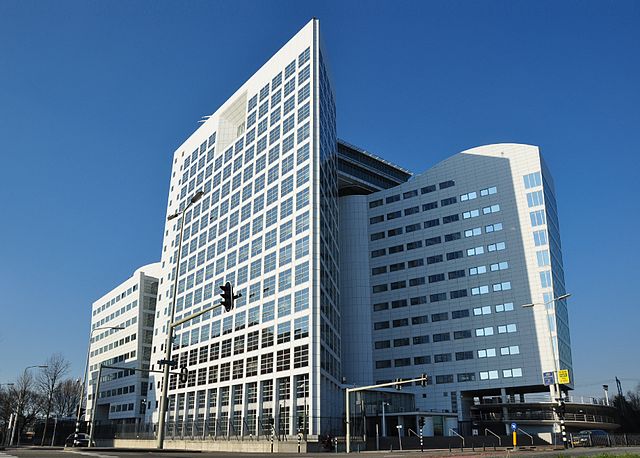
The US Department of State announced in a statement on Wednesday a new round of sanctions targeting members of the International Criminal Court (ICC).
Secretary of State Marco Rubio said the sanctioned members include Kimberly Prost of Canada, Nicolas Guillou of France, Nazhat Shameem Khan of Fiji, and Mame Mandiaye Niang of Senegal. The US explained that three of the four sanctions are due to the individuals’ involvement with the arrest warrants against Netanyahu and Gallant, with the fourth relating to the ICC’s investigation of US military action in Afghanistan.
This new round of sanctions is a continuation of the pressure campaign the US has been running against the ICC. The pressure campaign was instituted as a result of the previously issued arrest warrants that the ICC issued for Israeli leaders, including President Benjamin Netanyahu and former Defense Minister Yoav Gallant, over alleged war crimes in Gaza.
The jurisdiction of the ICC to issue warrants for members of Israel is the subject of much tension between the US, Israel, and the ICC. While the US and Israel are not parties to the ICC, the court argues that they have the jurisdiction to issue warrants because the location of the alleged crimes occurred in countries that are parties to the ICC.
Organizations and countries all over the world have responded to the sanctions, including, in particular, UN High Commissioner for Human Rights Volker Türk. He stated: “Sanctioning judges and prosecutors at national, regional or international levels, for fulfilling their mandate in accordance with international law standards, is an assault on the rule of law and corrodes justice.”
Türk concluded his statement with a call to action for the members of the UN: “States need to step up to defend the institutions they have created to uphold and defend human rights and the rule of law. Those working to document, investigate, and prosecute serious violations of international law should not have to work in fear.”

