
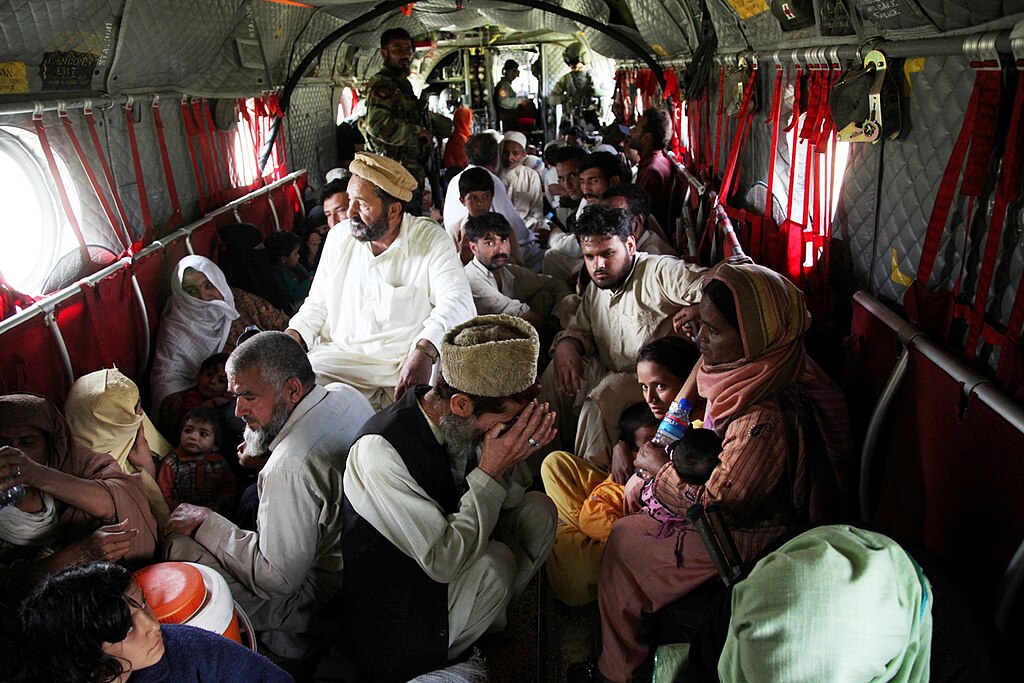
UN human rights experts have called on Pakistan to suspend its planned deportation of millions of Afghan refugees, set to commence on September 1. They warn that the policy violates international law and endangers returnees. The deportations, under Pakistan’s “Illegal Foreigners Repatriation Plan,” now also target Afghan refugees holding Proof of Registration (PoR) cards, many of whom have lived in Pakistan for decades, with some born there.
The experts condemn the repatriation as a breach of the fundamental non-refoulement principle, enshrined in human rights treaties and customary international law. “Non-refoulement is not optional,” the experts declared.
Citing UNHCR’s 2023 Guidance Note on the International Protection Needs of People Fleeing Afghanistan, the experts warn against forced returns to Afghanistan. The Guidance Note highlights widespread displacement, with over three million people uprooted. Women and girls especially face rampant human rights abuses under Taliban rule, including bans on education beyond grade 6, severe employment restrictions, and limited freedom of movement without a male guardian.
Additionally, a report released by The United Nations Assistance Mission in Afghanistan (UNAMA) in July highlights groups facing imminent danger, noting that former security personnel and government officials from the previous Republic remain at risk of persecution and violence. “Afghans of diverse sexual orientations and gender identities also face severe risks of discrimination and persecution upon return,” the experts added.
The experts acknowledged Pakistan’s long history of hosting Afghan refugees but implored greater international aid. They criticized the reduction of third-country resettlement programs and emphasized the need for sustainable and rights-respecting solutions for Afghan refugees.
The repatriation of Afghan refugees from neighboring countries violates the principle of non-refoulement, outlined in Article 33(1) of the 1951 Refugee Convention. It prohibits returning refugees to territories where they risk torture, degrading treatment, or other irreparable harm due to their race, religion, nationality, membership in a social group, or political opinion.
Since the Taliban’s rise to power, reports have highlighted a surge in arbitrary arrests and detentions of Afghans in Pakistan, heightening fears within refugee communities. Amnesty International has documented over 750,556 forced deportations from Pakistan by March 2025, including racial profiling and harassment against vulnerable groups. A UN report released in late July further detailed widespread human rights violations by Taliban authorities against involuntary returnees, disproportionately targeting women, former officials, journalists and civil society workers.

