
US President Donald Trump on Monday signed an executive order to enable the prosecution of those who burn the American flag. This order means potential tension with a landmark US Supreme Court (SCOTUS) ruling from 1989, which classed flag burning as expressive conduct protected by the First Amendment.
The order characterized flag burning as “a statement of contempt, hostility, and violence against our Nation,” which “may incite violence and riot.” It further stated that flag burning is “used by groups of foreign nationals as a calculated act to intimidate and threaten violence against Americans,” who could face visa revocation and deportation.
Referencing SCOTUS rulings on the First Amendment, the order suggested that prosecution would not contravene precedent, as flag burning designed to “incite imminent lawless action” has never been deemed to be “constitutionally protected.” The order directed the Attorney General to prosecute “acts of American Flag desecration that violate applicable, content-neutral laws, while causing harm unrelated to expression, consistent with the First Amendment.” This suggests that laws that do not specifically apply to flag burning, such as destruction of property or disorderly conduct, will serve as the basis of prosecution.
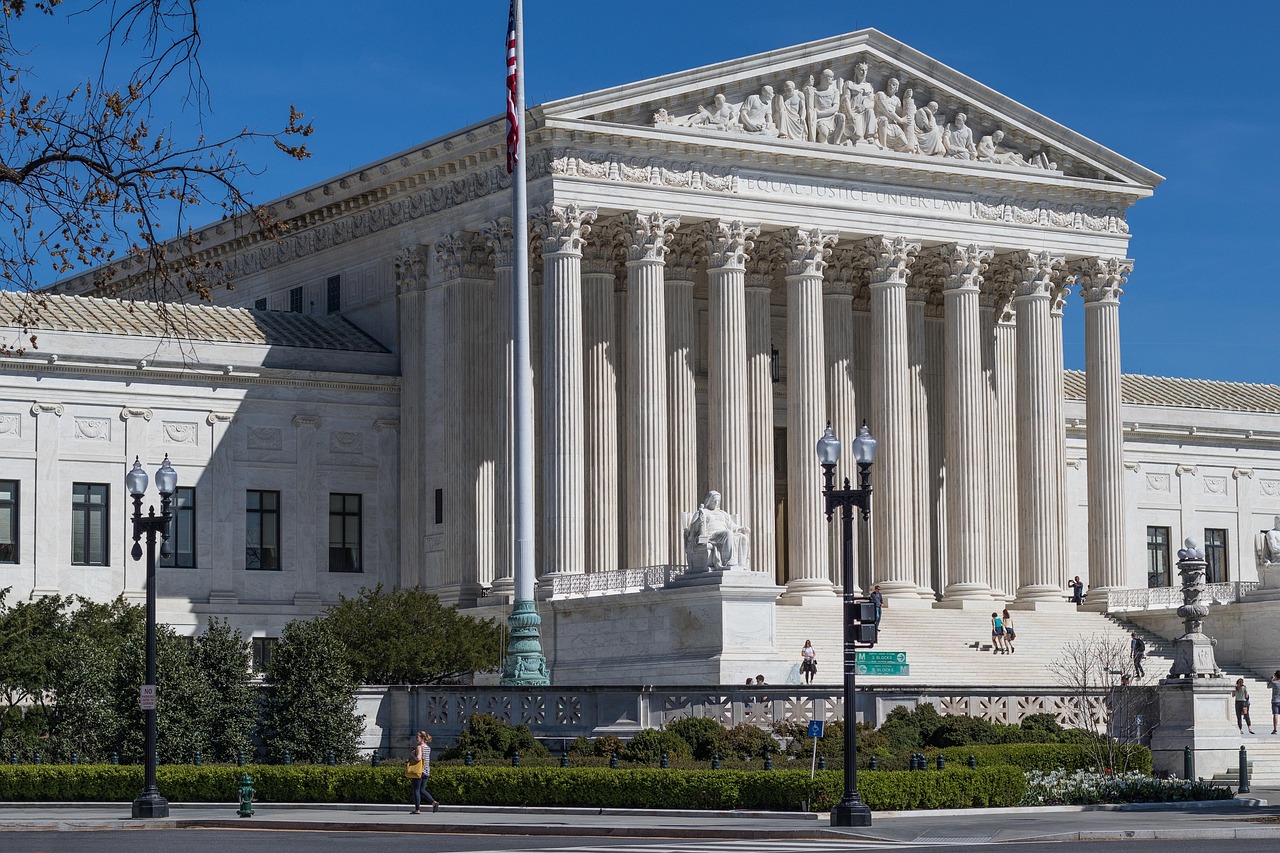
SCOTUS ruled that flag burning constitutes expressive conduct protected under the First Amendment in the landmark case Texas v. Johnson in 1989. The case concerned the conviction of Gregory Lee Johnson under a Texas state statute for burning an American flag in protest of the Reagan administration’s policies. The court held that Johnson’s conduct “did not threaten to disturb the peace” and therefore did not constitute criminal behavior. The court moreover stated that “the government may not prohibit expression simply because it disagrees with its message,” which “is not dependent on the particular mode in which one chooses to express an idea.” The symbolic value of the flag did not warrant special status, as the government is not entitled to determine that symbols can only be used to “communicate only a limited set of messages.”
Multiple rights organizations have criticized the order. The American Civil Liberties Union (ACLU) stated that “President Trump can’t repeal the First Amendment by executive order,” while Foundation for Individual Rights and Expression (FIRE) chief counsel Bob Corn-Revere said that “[f]lag burning as a form of political protest is protected by the First Amendment … [T]he government can’t prosecute protected expressive activity.”
Former attempts to enact an amendment that would prohibit flag burning have failed to make it through the Senate. The executive order could face a constitutional challenge.
