
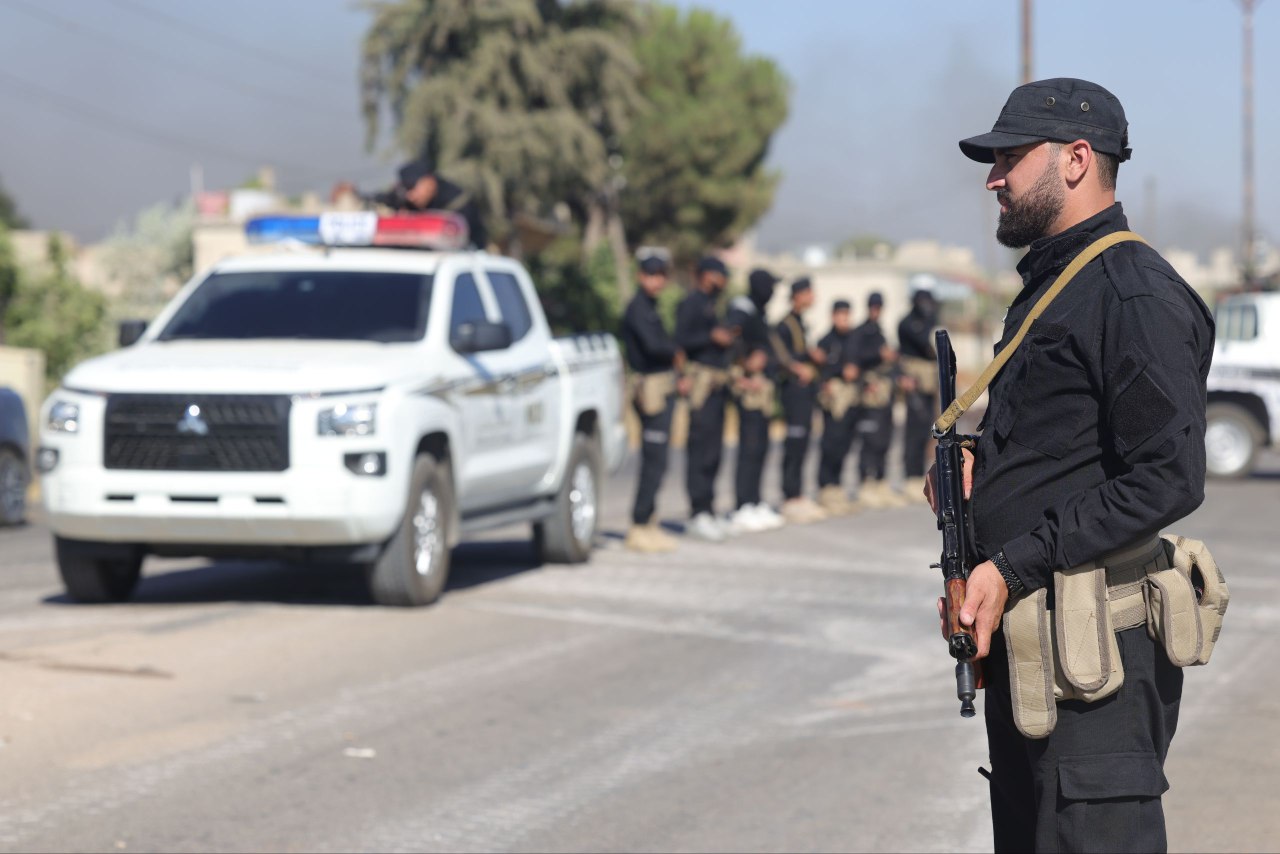
Hundreds of people demonstrated Saturday in the southern Syrian city of Sweida, pressing for the self-determination of the Druze people.
Protesters demanded full independence from Syria, dismissing ideas of federalism or autonomy as inadequate. Speakers at the protest argued that statehood would guarantee their security, citing recent episodes of violence as evidence that inter-ethnic coexistence under one state is no longer a viable solution.
The protest, the largest since an outbreak of fighting in Sweida last month, came as Syria faces a difficult transition from the Assad regime, with rising ethnic tensions and continued instability nearly across the country. In the July fighting in Sweida, hundreds of people were killed in clashes between Druze militias, Bedouin tribes, and Syrian government forces.
Under Article 1(2) of the UN Charter, the self-determination of peoples is a foundational principle. This right, however, has long been perceived as at odds with the principle of territorial integrity and sovereignty of states. Article 2(4) of the charter, for example, stipulates that members shall “refrain in their international relations from the threat or use of force against the territorial integrity” of any other state.
The 2010 International Court of Justice (ICJ) Advisory Opinion on Kosovo further added to the debate, with the court holding that Kosovo’s “unilateral declaration of independence did not violate international law,” given that such declarations are not explicitly prohibited. Yet, the ICJ left the question of the right of secession unresolved, emphasizing that such a right ought to be assessed based on the specific circumstances.
The Druze are an Arabic-speaking minority numbering around one million people, half of whom are in Syria. Amid the July fighting, Israel launched airstrikes on Syria, saying that the Druze were threatened by government-affiliated forces.

