
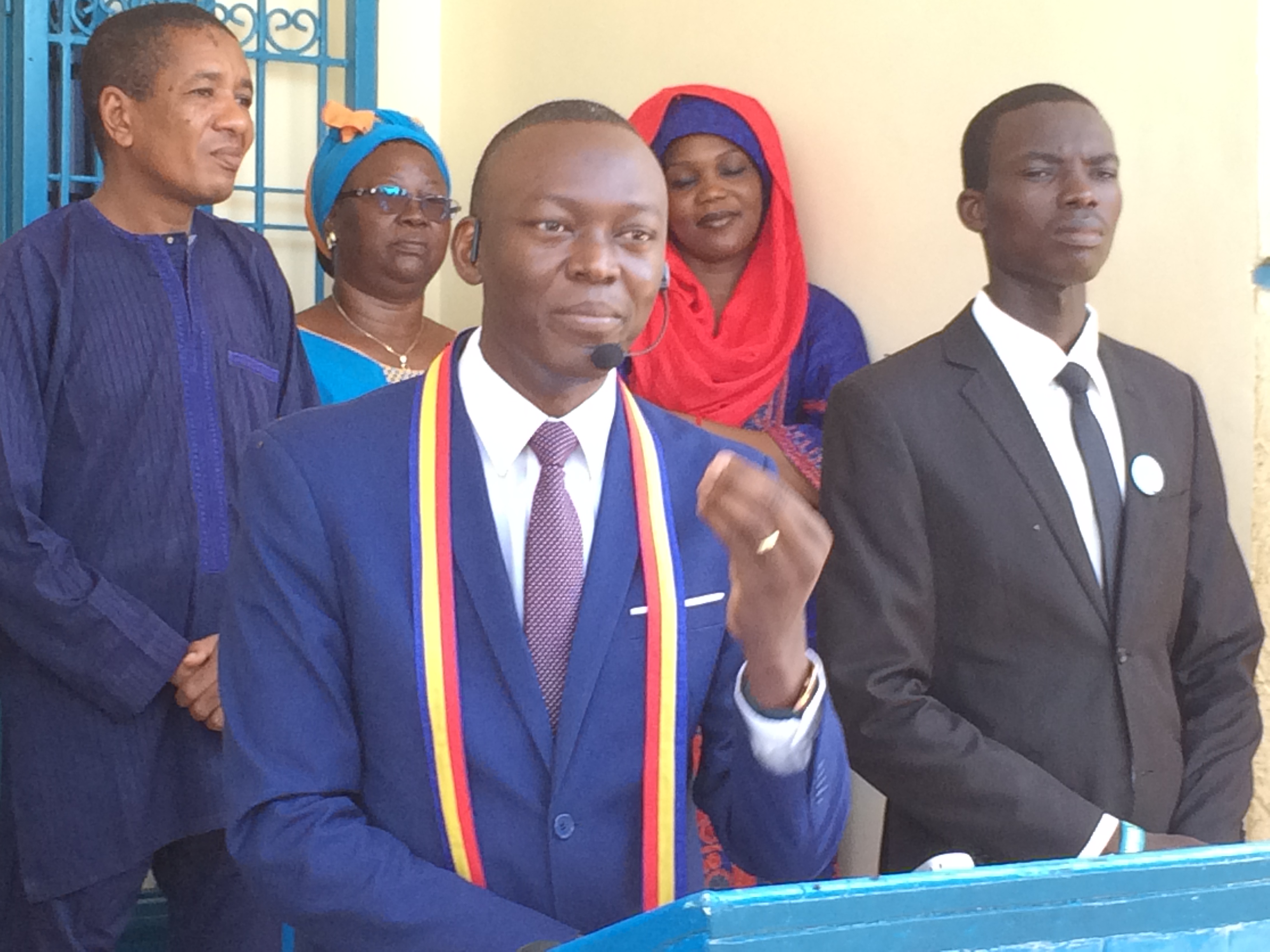
Human Rights Watch (HRW) on Tuesday condemned the conviction and 20-year prison sentence of the leader of Chad’s main opposition party, calling it a politically motivated trial.
HRW criticized proceedings against Succès Masra, claiming they lacked fairness and transparency, and warned that the verdict reflects the government’s increasing use of the justice system to silence dissent and weaken political opposition.
Masra’s sentence was handed down on August 9 and came against the backdrop of heightened political tension following the May 2024 presidential elections. Civil society organizations and opposition groups alleged widespread vote rigging, intimidation, and threats against activists. Independent observers reported accounts of ballot stuffing and harassment, underscoring the lack of a level playing field in Chad’s political process.
The trial drew criticism from rights advocates who noted procedural irregularities, including limited access for defense counsel and the use of politically charged evidence. HRW said these shortcomings undermine the credibility of Chad’s judiciary and violate the country’s obligations under international human rights law. The organization warned that the ruling sends a “chilling message” to journalists, activists, and political figures, reinforcing a climate of fear and repression.
On May 16, security forces detained Masra at his home in N’Djamena. Authorities accused him of inciting hatred and violence through social media posts following deadly clashes between herders and farmers in the south, which left at least 42 people dead. HRW contends that the charges were inflated and rooted in his outspoken criticism of the government. Masra’s political party, Les Transformateurs, has long claimed that such prosecutions are part of a broader strategy to dismantle opposition through intimidation and judicial harassment.
The verdict fits a pattern of state repression in Chad, as security forces are continually accused of excessive force, arbitrary arrests, and mistreatment of detainees. In a separate investigation, HRW documented deaths and abuse at Koro Toro prison after the transfer of hundreds of detainees following October 2022 protests. Such incidents, HRW argued, highlight systemic impunity and the government’s failure to ensure accountability for security force abuses.
International human rights experts and legal observers have urged Chad’s partners to pressure the government to overturn Masra’s conviction and uphold fundamental freedoms. They warn that allowing politically driven prosecutions to stand will deepen the erosion of public trust in institutions and further isolate Chad on the global stage.
As Masra’s legal team prepares an appeal, the case will serve as a test of whether the country’s judicial system can resist political interference and honor its constitutional and international commitments.

