
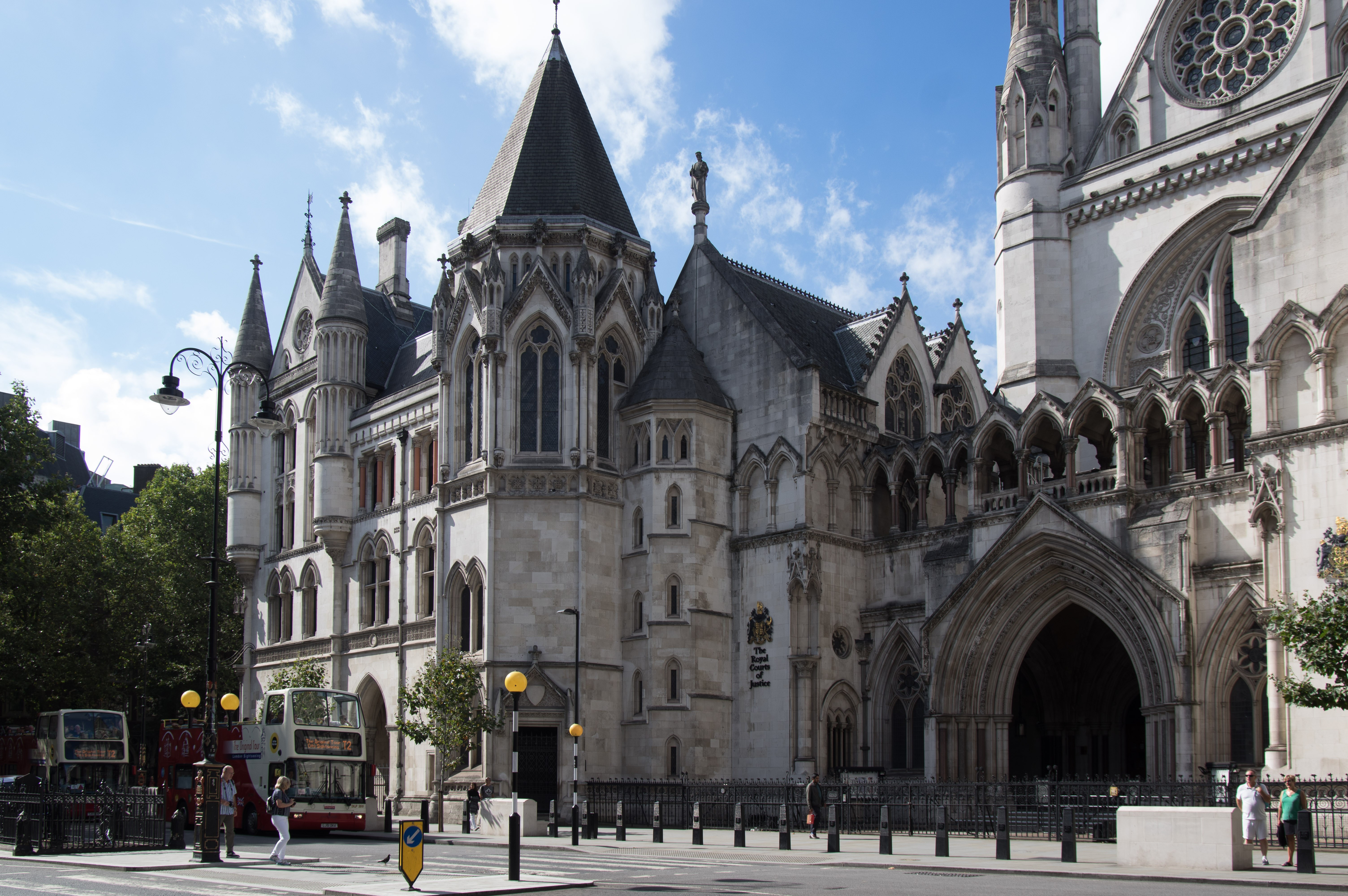
The UK High Court on Monday granted activist group Palestine Action an urgent hearing to challenge the Home Secretary’s decision to proscribe the group as a terrorist organization under Schedule 2 of the Terrorism Act 2000, alongside terror organizations such as ISIS and Al Qaeda.
The hearing will take place at 10:30 AM on Friday, July 4. The court will consider whether to allow the group to challenge the Home Secretary’s decision by way of judicial review.
The hearing will allow Palestine Action enough time to challenge the decision, which was “rushed” through Parliament and could come into effect “as soon as Friday 4 July.” The proscription order was made after the group caused damage to military aircraft with spray paint, as a form of “direct action” protest. Serious damage to property is an act of terrorism under Section 1(b) of the Terrorism Act.
Palestine Action says it is seeking interim relief to prevent the proscription from coming into effect before the High Court can make its ruling, which would be handed down on Friday at the earliest.
Palestine Action’s legal representation says that the proscription order would cause “irreparable harm” to both the organization and its public supporters. Lawyers also argue that Home Secretary’s rushed timing of the order “risks a breach of natural justice,” “procedural fairness” and “the right of access to court under Article 6 of the European Convention on Human Rights” as the order “effectively oust[s] judicial review” and prevents the claimant from making representations before the proscription comes into effect.
Claimant and co-founder of Palestine Action, Huda Ammori, commented:
This is the first attempt in British history to criminalise direct action, political protest, as terrorism, mimicking many authoritarian regimes around the world who have used counter-terrorism to crush dissent. This would set an extremely dangerous precedent, with repressive impacts right across the Palestine movement.
According to Palestine Action’s press release, the application is supported by prominent international organizations, including Amnesty International and the European Legal Support Center, who have condemned the UK’s “unlawful misuse of anti-terror measures to criminalise dissent.” The UN also expressed concern at the UK’s “unjustified labelling of a political protest movement as ‘terrorist.'”

