
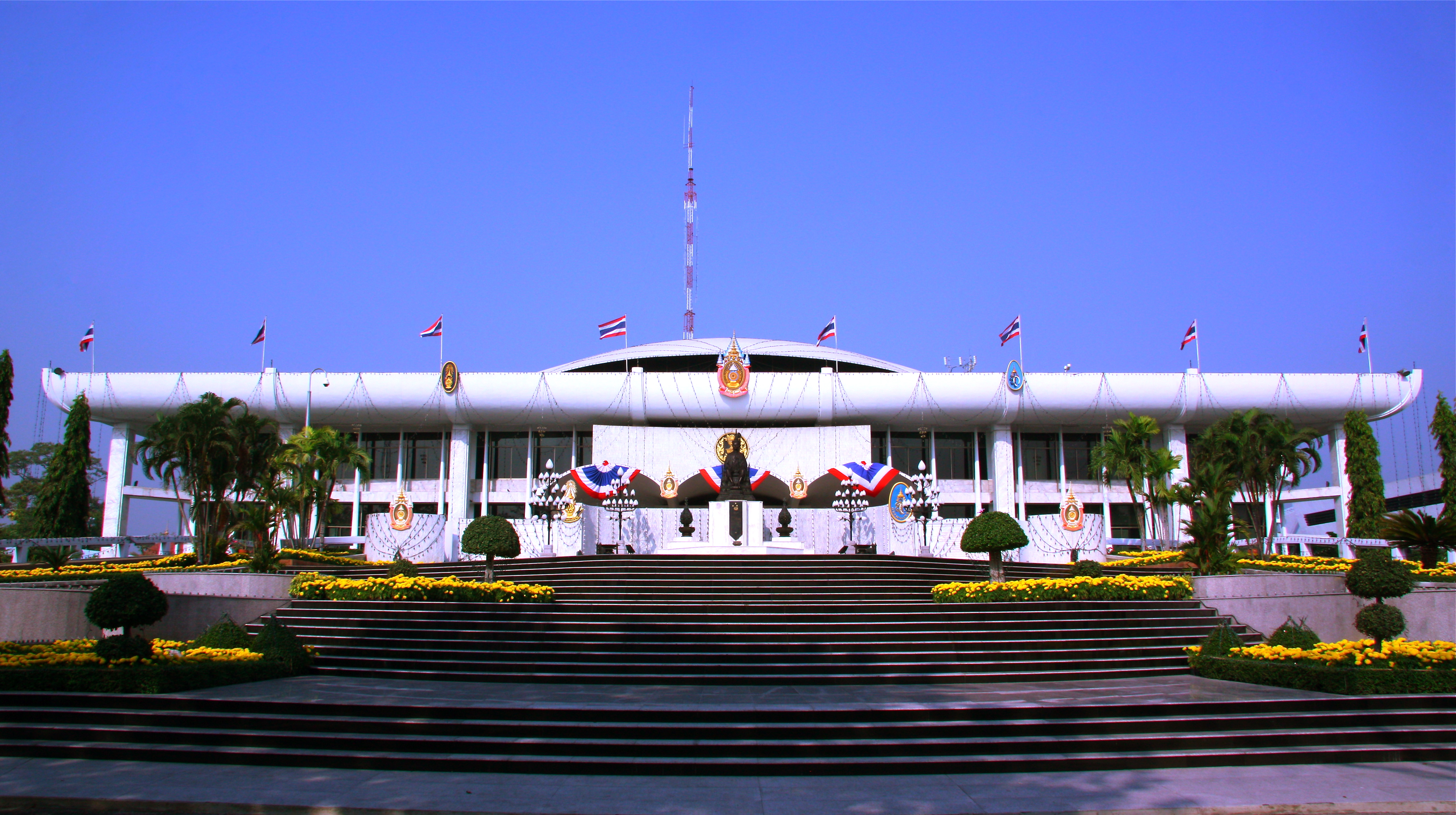
Amnesty International urged Thailand’s House of Representatives on Tuesday to grant amnesty to individuals accused and detained solely for political activism, including offenses related to the lèse majesté law. This appeal comes ahead of the parliament’s vote on a new amnesty law intended to address criminal offenses linked to political activities.
Chanatip Tatiyakaroonwong, Amnesty International’s regional researcher, called on the Thai parliament to take advantage of the upcoming vote to pass laws that dismiss all criminal charges against protesters associated with peaceful activism, without excluding the lèse majesté law, also known as Article 112 of the Criminal Code. He noted that Thai authorities have been misusing security and criminal laws over the past five years to suppress peaceful protests, undermining citizens’ rights to freedom of expression and peaceful assembly. He emphasized that the upcoming vote represents a crucial opportunity to amend the existing laws. Furthermore, he stated that the proposed legislation should ensure accountability for those who violate the rights of protesters and should not allow immunity for their abuses.
Discussions on five connected bills aimed at promoting social harmony and granting amnesty for political offenses began on July 9 in the Thai Parliament. These bills seek to provide amnesty for criminal offenses associated with political activities. Some drafts proposed blanket amnesty for security officials responsible for human rights violations, such as the unlawful use of force against protesters, while another bill proposed amnesty for individuals facing charges under the lèse majesté law. This latter bill, known as the People’s Amnesty Bill, was drafted by the Network for People’s Amnesty and received the approval of 35,905 people.
The central issue in these deliberations was whether the proposed bills would grant amnesty for charges under Article 112 of the Criminal Code, which imposes prison terms of three to 15 years for anyone who defames, insults, or threatens the King, Queen, Heir-apparent, or Regent. While some representatives argued for a non-discriminatory amnesty that includes the lèse majesté law, others maintained that individuals who violated Article 112 should not be granted amnesty.
Lèse majesté law in Thailand has long faced criticism from both national and international bodies, not only for imposing severe prison sentences but also for being exploited by authorities to target protesters and political opponents. In 2024, a Thai activist and a human rights lawyer were sentenced to prison for insulting the monarchy in accordance with Article 112 of the Criminal Code. Earlier this year, the United Nations called on the Thai government to amend the lèse majesté law and align it with international human rights standards. UN experts found that the current wording of Article 112 was vague and granted authorities broad discretion to arbitrarily arrest and convict political and human rights activists.
The House of Representatives is expected to vote on the proposed bills on July 16.

