
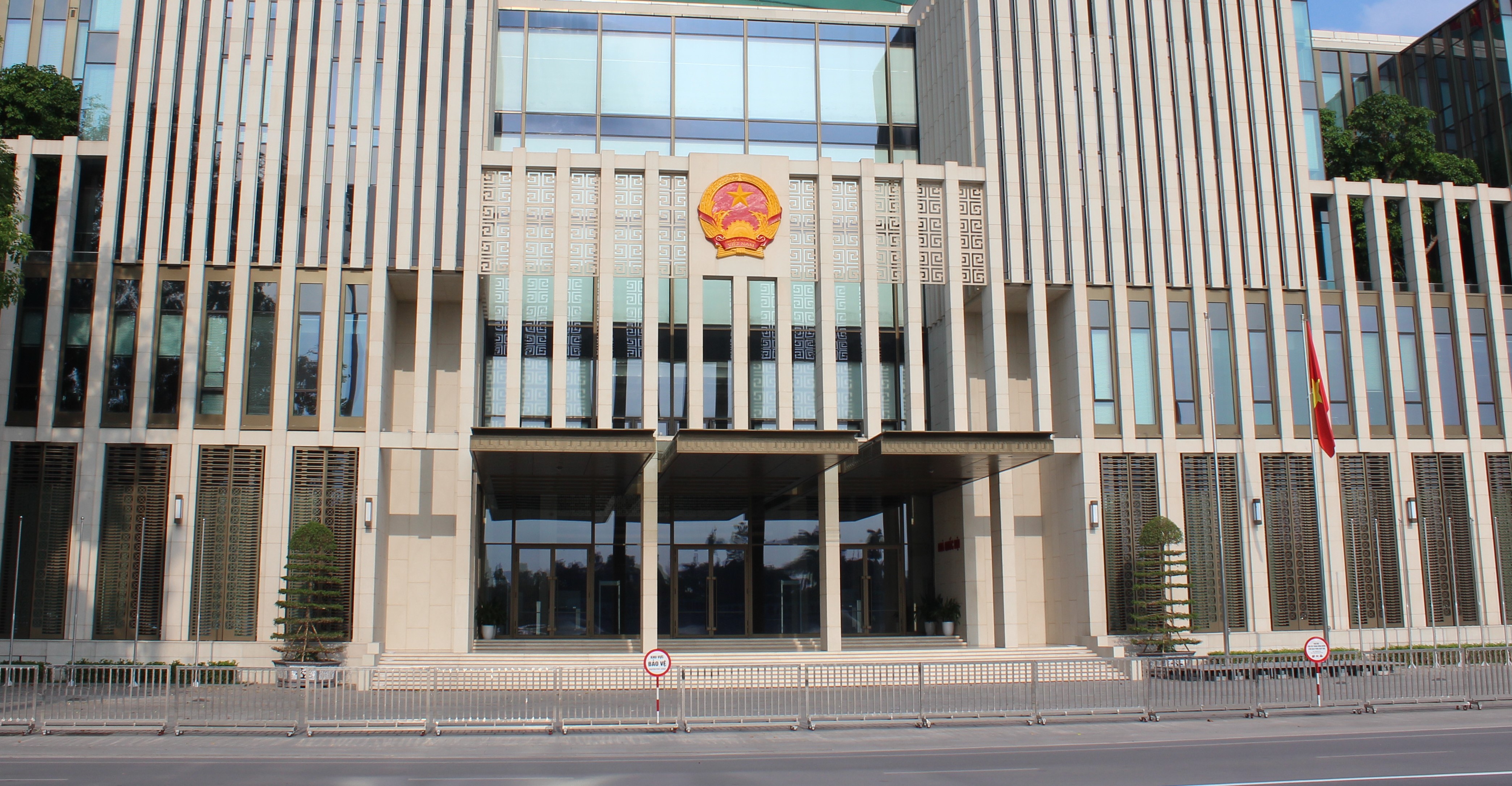
The UN Office of the High Commissioner for Human Rights (OHCHR) commended Vietnam’s National Assembly on Friday for its decision to abolish the death penalty for eight criminal offenses while also urging additional action.
While hailing the partial abolition as a “historic vote,” the OHCHR called on the country to take further steps by abolishing the death penalty entirely and imposing an immediate moratorium on executions for all remaining offenses still punishable by death.
The National Assembly voted on Wednesday to amend the Criminal Code by abolishing the death penalty for the criminal offenses of embezzlement, bribery, counterfeiting medicines, espionage, drug trafficking, vandalism of state property, sabotage, and acts aimed at overthrowing the government.
The amendments reflect a global trend away from capital punishment, with over 70 percent of countries abolishing it as of 2025.
Last year, UN Human Rights Chief Volker Türk asserted that the imposition of the death penalty is incompatible with human dignity, the fundamental right to life, and the right to live free from torture or cruel, inhuman, or degrading treatment or punishment. He described the death penalty’s use as “egregious” and “unfathomable,” especially in cases involving the innocent.
While some governments advocate for the death penalty as a necessary deterrent against crime, Türk affirmed that it has little to no impact on reducing or preventing criminal activity. According to a report by Amnesty International, the death penalty has no unique deterrent effect on crime. The report concluded that “state sanctioned killing” merely legitimizes the use of force and perpetuates the cycle of violence.
Amnesty International said that the death penalty remains a key tool for several governments to maintain control and suppress dissent. The rights group noted that the lack of transparency surrounding Vietnam’s execution practices undermines public discourse on death penalty policies, as the government’s secrecy intentionally obscures accountability and stifles debate. This approach often targets human rights defenders, protesters, dissidents, and political opponents.

