
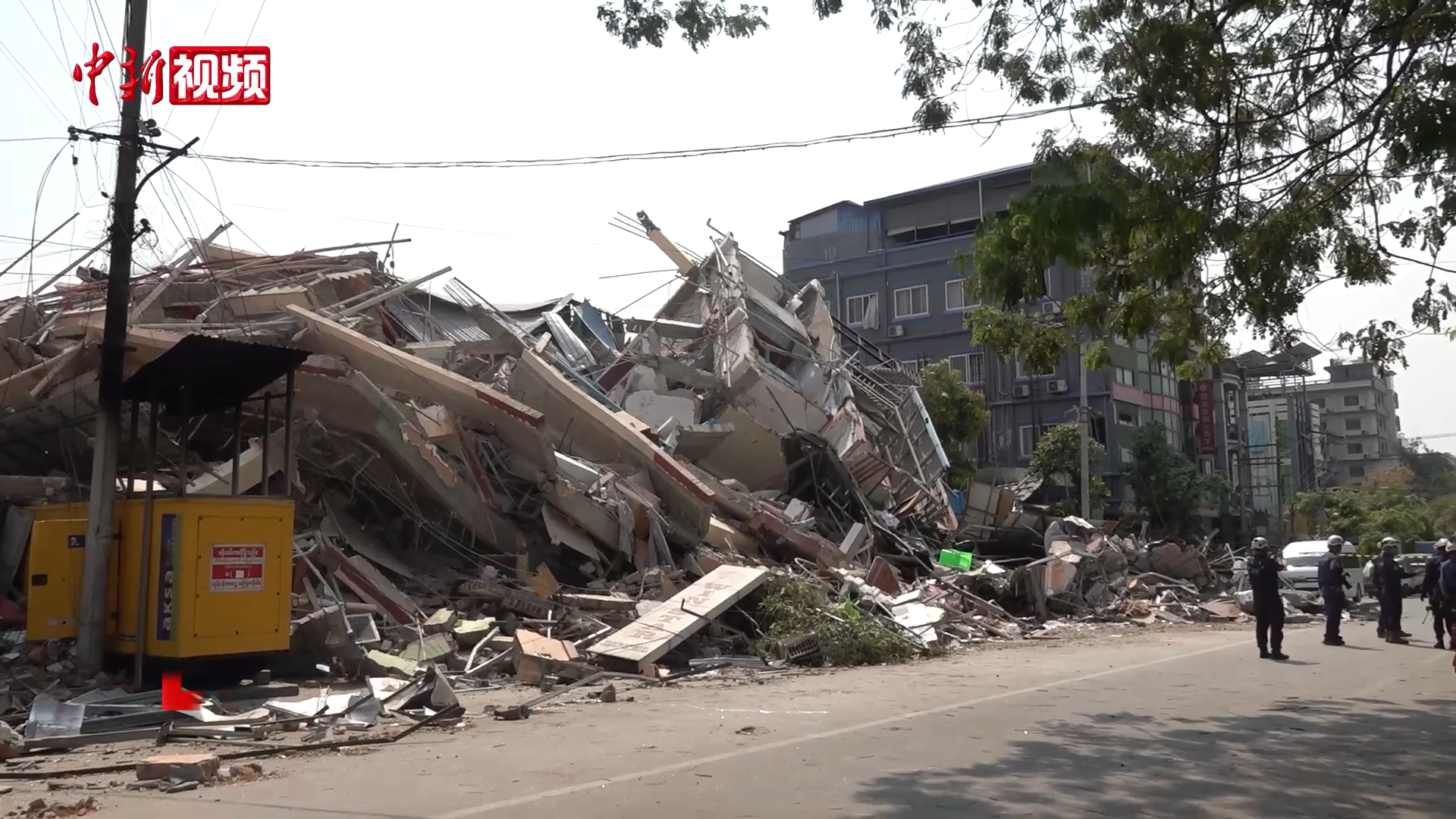
UN High Commissioner for Human Rights Volker Türk warned on Friday of the “unremitting violence” being committed against civilians in Myanmar’s ongoing civil war despite an active ceasefire that began in the wake of the March 28 earthquakes.
Türk noted that the Myanmar military, or the Tatmadaw, is reported to have launched at least 243 attacks between the earthquake and April 29. These attacks, which included 171 air strikes, have killed over 200 civilians in the country. The vast majority of these assaults took place after April 2, when unilateral ceasefires announced by the Tatmadaw and the opposing National Unity Government (NUG) of Myanmar were set to begin.
Türk stated:
The relentless attacks affect a population already heavily beleaguered and exhausted by years of conflict … People in Myanmar need food, water, and shelter. They need – and must have – peace and protection. This is the time to put people first, to prioritise their human rights and humanitarian needs, and to achieve a peaceful resolution to this crisis. Instead of further futile investment in military force, the focus must be on the restoration of democracy and the rule of law in Myanmar.
The high commissioner further emphasized that international law clearly stipulates that humanitarian aid must be allowed to reach those in need. This follows the UN Office of the High Commissioner for Human Rights’s previous calls for the Tatmadaw to end its ongoing assaults and allow aid to flow. Under the laws of war relating to non-international armed conflicts, it is a customary norm that parties to an armed conflict must not deliberately impede the delivery of relief supplies to civilians in need in areas they control.
While Myanmar’s civil war began in 2021 following the Tatmadaw’s military coup against the country’s elected civilian government, the country had already been affected by years of conflict in its Rakhine state that began in 2016. The civil conflict contributed to a backdrop of natural disasters, including flooding from monsoons and Typhoon Yagi, which have affected an estimated one million people in Myanmar. The recent earthquakes added to this, leaving 3,800 dead and 6.3 million “in urgent need of support.” This worsens the country’s already dire humanitarian situation, where nearly 20 million people were already relying on assistance.

.png)