
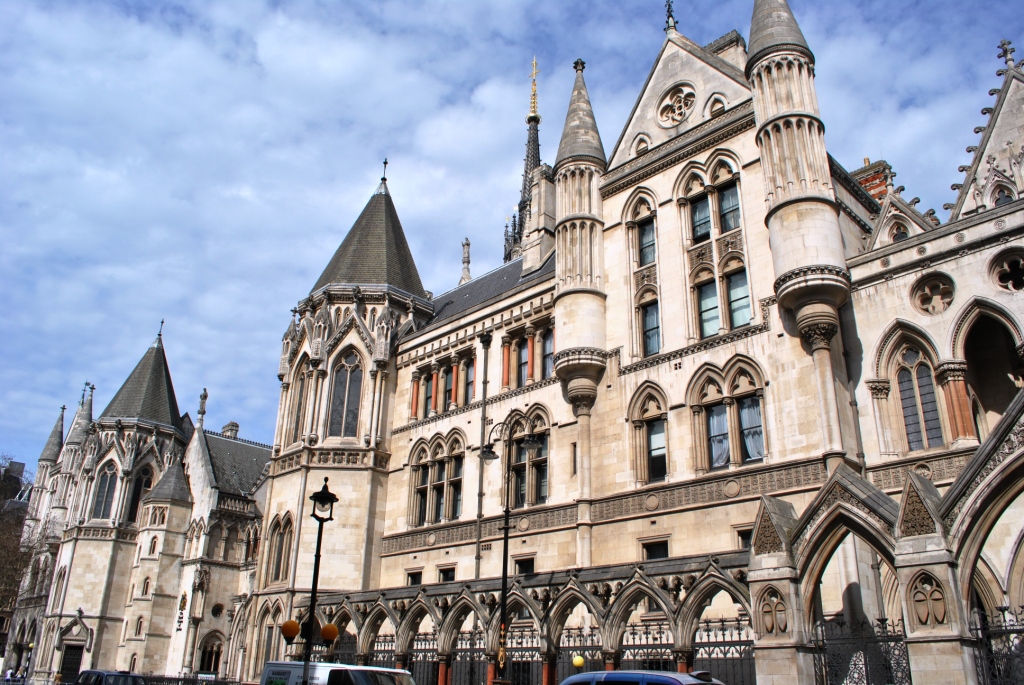
The UK Court of Appeal upheld a ruling Friday that found 2023 protest regulations unlawful, marking a critical blow to legislation that civil liberties groups said undermined the right to protest and bypassed the will of Parliament.
The case, brought by the National Council for Civil Liberties (Liberty), argued that then Home Secretary Suella Braverman had exceeded her legal authority, acted against Parliament’s express decisions, introduced unjustified curbs on fundamental freedoms, and failed to conduct adequate consultation.
Originally introduced under the Public Order Act 1986, as amended by the Police, Crime, Sentencing and Courts Act 2022, the regulations empowered police in England and Wales to impose conditions on protests deemed to cause “more than minor” disruption—a significant shift from the legally established threshold of “serious disruption.” The redefinition was introduced by Braverman via secondary legislation after similar provisions were rejected by the House of Lords in the course of primary legislation debates.
The Court of Appeal has now confirmed that outcome, rejecting the government’s appeal. Lord Justice Underhill, Lord Justice Dingemans and Lord Justice Edis ruled that the phrase “serious disruption” could not be lawfully interpreted to include disruptions that are merely “more than minor.” The judges stated that “serious” requires a “high threshold” and that lowering it in this way defied both statutory language and constitutional principle.
Liberty hailed the decision as a “huge victory for democracy.” Its Director, Akiko Hart, said: “These laws should never have been made. They were a flagrant abuse of power… Five judges across two courts have now confirmed that ministers cannot just rewrite the law to suit their agenda.”
Liberty’s legal team—Jude Bunting KC (Doughty Street Chambers), Hollie Higgins (Blackstone Chambers), and Rosalind Comyn (Matrix Chambers)—stressed that the case was about ensuring democratic accountability and defending the rule of law. Lawyer Katy Watts added: “This judgment is a victory for Parliament and the rule of law. Protest is a fundamental right—and the cornerstone of our democracy.”
The High Court had previously noted that the amended law had already been used to arrest and prosecute demonstrators over the past year. Liberty is now calling on the government to review all such cases and to fully repeal the unlawful regulation.
A formal decision on whether the legislation will be revoked is expected in the coming weeks.

