
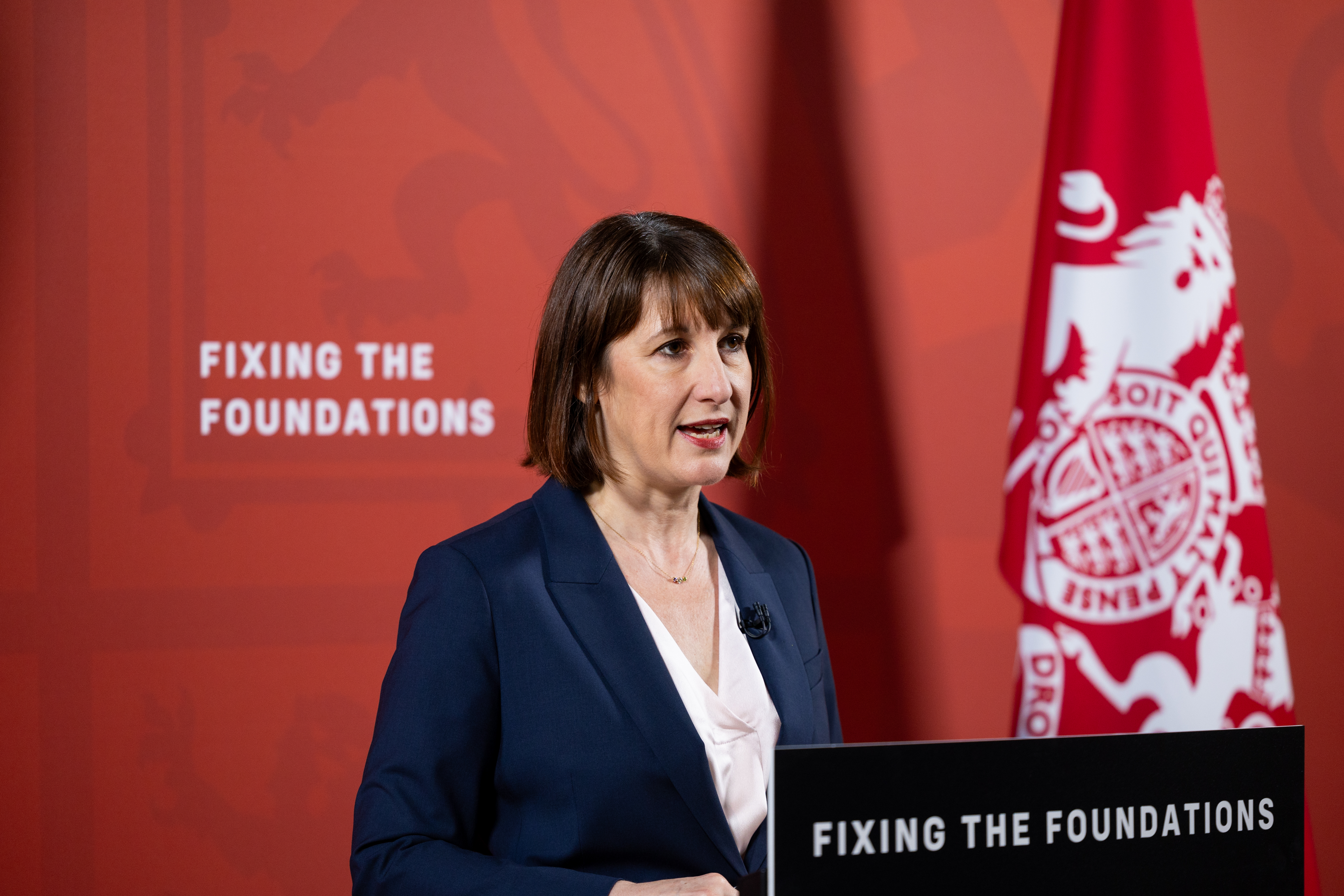
Finance Minister Rachel Reeves on Tuesday announced the UK’s plans to pass legislation to properly regulate crypto-assets.
As of August 2024, research released by the Financial Conduct Authority (FCA) estimated that 12 percent of the UK population, which comes up to approximately 7 million adults, own crypto-assets, signifying growing interest in the field. In place of a comprehensive regulatory framework, the FCA currently handles crypto-asset businesses under the Money Laundering Regulations (MLRs) to eradicate financial crime.
Under the new rules, crypto exchanges and prominent dealers are expected to operate within the new regulations, in a bid to encourage innovation while curbing the harmful actions of bad actors. Reeves has also expressed the UK’s willingness to collaborate with the US to build a mutual understanding on the regulation of crypto frameworks between the two countries to increase the “responsible” adoption of digital assets.
The new legislation has received approval from crypto industry experts who are dissatisfied with the FCA’s restrictive process of approving registrations from digital asset firms. Experts have stated that the legislation would align the UK’s interests with those of the US and reflects a divergence with the EU’s crypto approach under the Markets in Crypto Assets Regulation (MiCAR) regime.
Reeves has also unveiled the UK government’s plans to publish the Financial Services Growth and Competitiveness Strategy, the first of its kind, in July this year, which is expected to facilitate the financial services sector’s growth in the long run.
Reeves said:
Through our Plan for Change, we are making Britain the best place in the world to innovate – and the safest place in the world for consumers. Robust rules around crypto will boost investor confidence, support the growth of Fintech, and protect people across the UK.
The latest legal development in the UK comes after the introduction of the Property (Digital Assets) Bill in Parliament, which aimed to clarify the legal status of digital holdings to constitute personal property. In the context of digital belongings, English judges were previously grappling with the complexities of cases where disputes about such holdings arose or were disputed in cases such as divorce proceedings. This new legislation is hoped to answer the various ambiguities that arise concerning the crypto industry, while also cementing the UK’s position as a global leader in the field.
Crypto-assets are digital representations of value or rights that utilise a form of technology and can be traded electronically, encompassing a wide range of technologies such as Bitcoin, Ethereum, and Non-fungible tokens (NFTs).

