
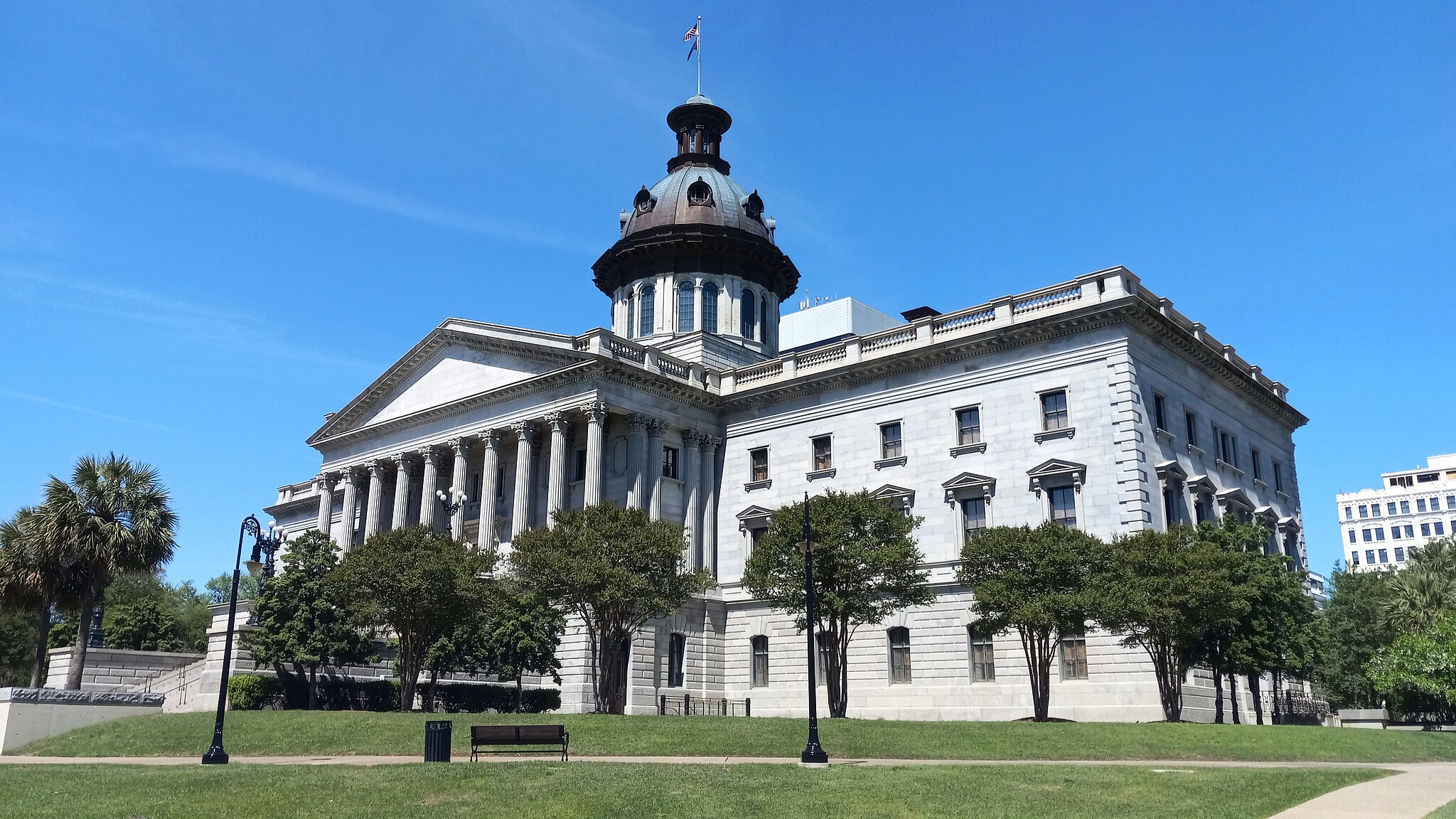
South Carolina is set to carry out the first execution by firing squad in 15 years. The US Supreme Court denial Friday of an emergency petition to stay clears the way for the state to carry out the death penalty.
The execution was delayed for 13 years due to the availability of supplies to perform them and uncertainty surrounding the constitutionality of various methods of execution.
South Carolina law allows death row inmates to choose the method from three statutory options by which capital punishment is to be performed. The inmate seeking to stay the death penalty, Brad Sigmon, was found guilty of murdering his ex-girlfriend’s parents and chose execution by firing squad over lethal injection or the electric chair.
In South Carolina, protocols for carrying out firing squad executions include strapping the individual to a chair with metal restraints and covering their head with a hood. A target is placed over the heart and three marksmen are instructed to fire at the target through an opening in a wall. Witnesses view the execution in profile position.
Advocates against capital punishment argue that death by firing squad is a violation of the US Constitution’s prohibition against cruel and unusual punishment. They argue that the firing squads often miss their target and that the method mutilates the human body while individuals suffer a slow and painful death. Capital punishment abolitionists similarly argue that “there is no humane way to execute a human being” and that the practice constitutes both physical and psychological torture.
The constitutional issue was resolved in 2024 when the South Carolina Supreme Court overturned a lower court decision that blocked executions via electrocution, lethal injection, and firing squad. The state Supreme Court ruled that the statutorily defined methods did not violate the state constitutional prohibition against cruel, corporal or unusual punishment.
The death penalty is legal in the US federally and in 27 states. However, several states where capital punishment is legal have governor-imposed moratoriums on grounds of expense, sentencing discrimination, and flaws in the penalty’s administration.
Executions in the US are near a historic low while there has been a small uptick in new death sentences. Public support has fallen in the country while authorities search for new methods of performing the punishment.

