Legal Developments Explored In-Depth

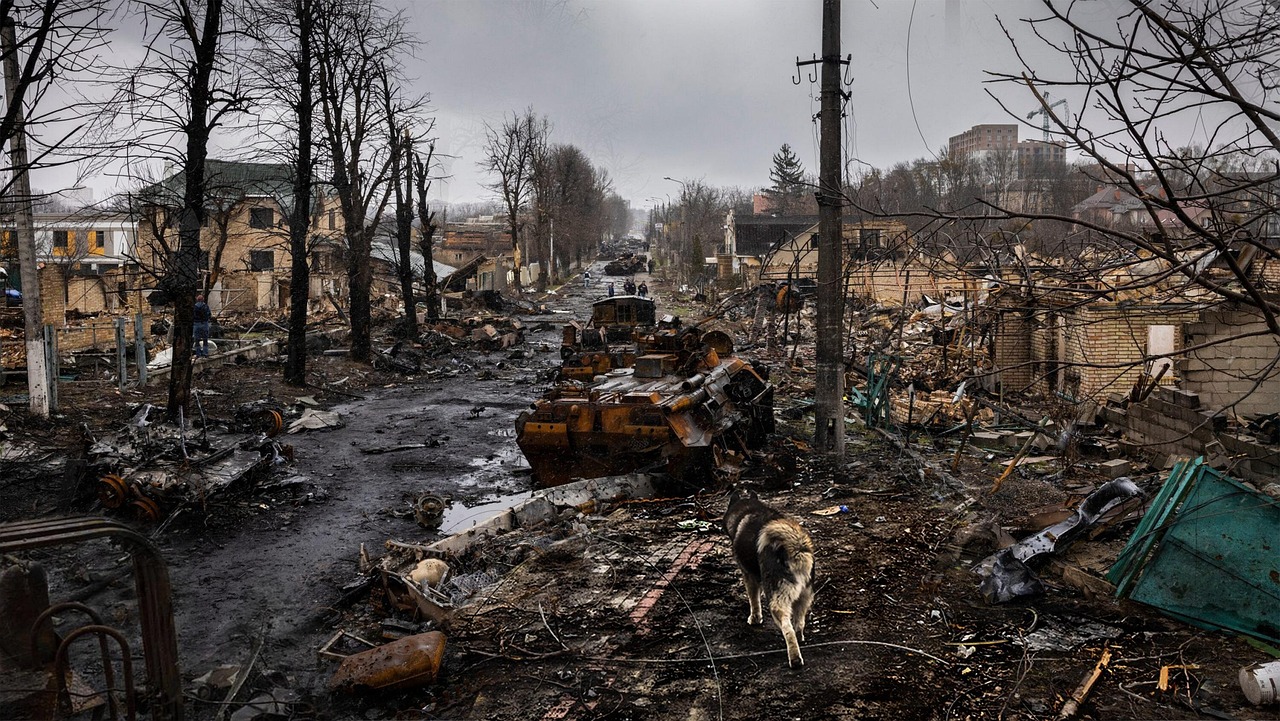
Peace negotiations are often driven by an urgent imperative: stop the violence. But when those accused of war crimes remain indispensable to reaching an agreement, efforts to secure peace can collide with demands for accountability. That tension has become increasingly visible as governments, private mediators, and other diplomatic actors seek negotiated solutions to conflicts while [...]

READ MORE
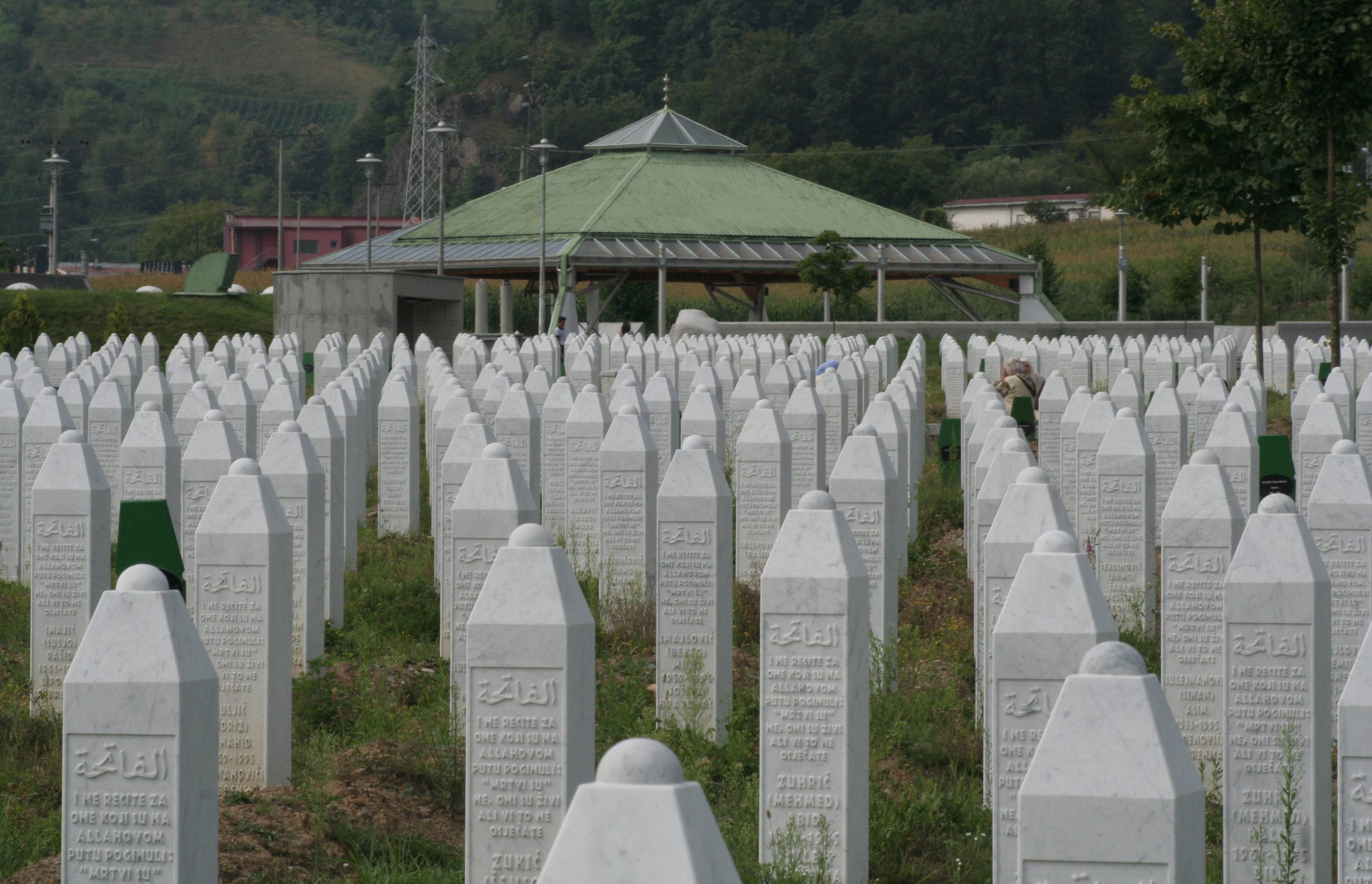
Maurits90, Public domain, via Wikimedia Commons

Few atrocities have been documented as extensively as the Srebrenica genocide. Yet three decades later, denial remains politically entrenched, while the evidentiary record painstakingly assembled by international courts faces an uncertain future. JURIST’s Sarisha Harikrishna spoke with Iva Vukušić, Assistant Professor in International History at Utrecht University and Visiting Research Fellow in the Department of [...]

READ MORE

In the aftermath of the recent military escalation involving Iran and the United States, questions concerning the future of international law, humanitarian norms, and the credibility of the post-World War II legal order have once again moved to the center of global debate. At a time when governments, legal scholars, and international organizations continue to [...]

READ MORE
© Steve Kanter

JURIST Contributor Pitasanna Shanmugathas, in a previously unpublished interview, speaks with Law Professor Emeritus Steve Kanter, a distinguished American legal scholar, two-time Fulbright professor of law, and former Dean of Northwestern School of Law at Lewis and Clark College, with a career spanning constitutional law, criminal procedure, and international legal advising across China, Greece, Thailand, [...]

READ MORE

International criminal law has no crime that squarely covers the deliberate, large-scale destruction of civilian infrastructure—a gap a recent white paper proposes to close by recognizing ‘Mass Destruction’ as a new crime against humanity. Its author, Professor David M. Crane, is the founding Chief Prosecutor of the Special Court for Sierra Leone and an internationally [...]

READ MORE
A caricature of AmirAli Maleki, provided to JURIST.

When the internet went dark and the world outside narrowed to the walls of a single room, AmirAli Maleki kept writing. With reliable connectivity gone, the notes application on his phone became his means of defiance. Whenever everyday life pressed in on him, whether through a conversation or an image evoking fear or solidarity, he [...]

READ MORE

Ghana’s Supreme Court on April 29 unanimously upheld a five-year voting ban for people convicted of electoral offenses, ruling that Parliament may restrict the constitutional right to vote beyond the limits written into the Constitution, 1992. The decision in Fred Akweter v. Attorney General & Electoral Commission rejected a challenge by Akweter, a Ghanaian lawyer, [...]

READ MORE
A 19th century technical illustration depicting the lower deck of a ship transporting enslaved people across the Atlantic Ocean.

No amount of money can pay for slavery and colonialism—and offering it, Kwesi Pratt Jnr. argues, is itself an insult. That was the premise the Ghanaian journalist and Pan-Africanist—widely known as “Comrade Kwesi Pratt”—brought to the University of Cape Coast’s Faculty of Law this month in a public lecture on reparations for the transatlantic slave [...]

READ MORE
Campaign to Free Marwan Barghouti and All Palestinian Prisoners, CC BY 4.0 , via Wikimedia Commons

Marwan Barghouti has spent more than two decades behind bars. Born in 1959 in the West Bank village of Kobar, Barghouti rose from student activist to a leading figure in Palestinian political life—a vocal proponent of the two-state solution, he was elected to the Palestinian Legislative Council in 1996 and known for his ability to [...]

READ MORE

For most lawful permanent residents, coming home from a trip abroad is supposed to be just that: coming home. But in Blanche v. Lau, the Supreme Court will consider when that presumption gives way and whether immigration officials may place a returning green-card holder on the inadmissibility track without already having clear and convincing evidence, [...]

READ MORE