Commentaries by L. Ali Khan | Washburn University School of Law

Since the Constitution’s ratification in 1789, the power to go to war has steadily shifted toward the President. In the 21st century, the President is far more powerful than George Washington was at the start of the constitutional journey and is more empowered to commit the US armed forces to unnecessary, even dangerous, wars with [...]

READ MORE

The International Criminal Court (ICC), established under the Rome Statute, has jurisdiction over war crimes, crimes against humanity, genocide, destruction of historic and religious monuments, and witness intimidation. It has prosecuted several individuals for these crimes, and in 2024, issued arrest warrants for Israeli Prime Minister Benjamin Netanyahu and Defense Minister Yoav Gallant for the [...]

READ MORE
U.S. Department of State, Public domain, via Wikimedia Commons

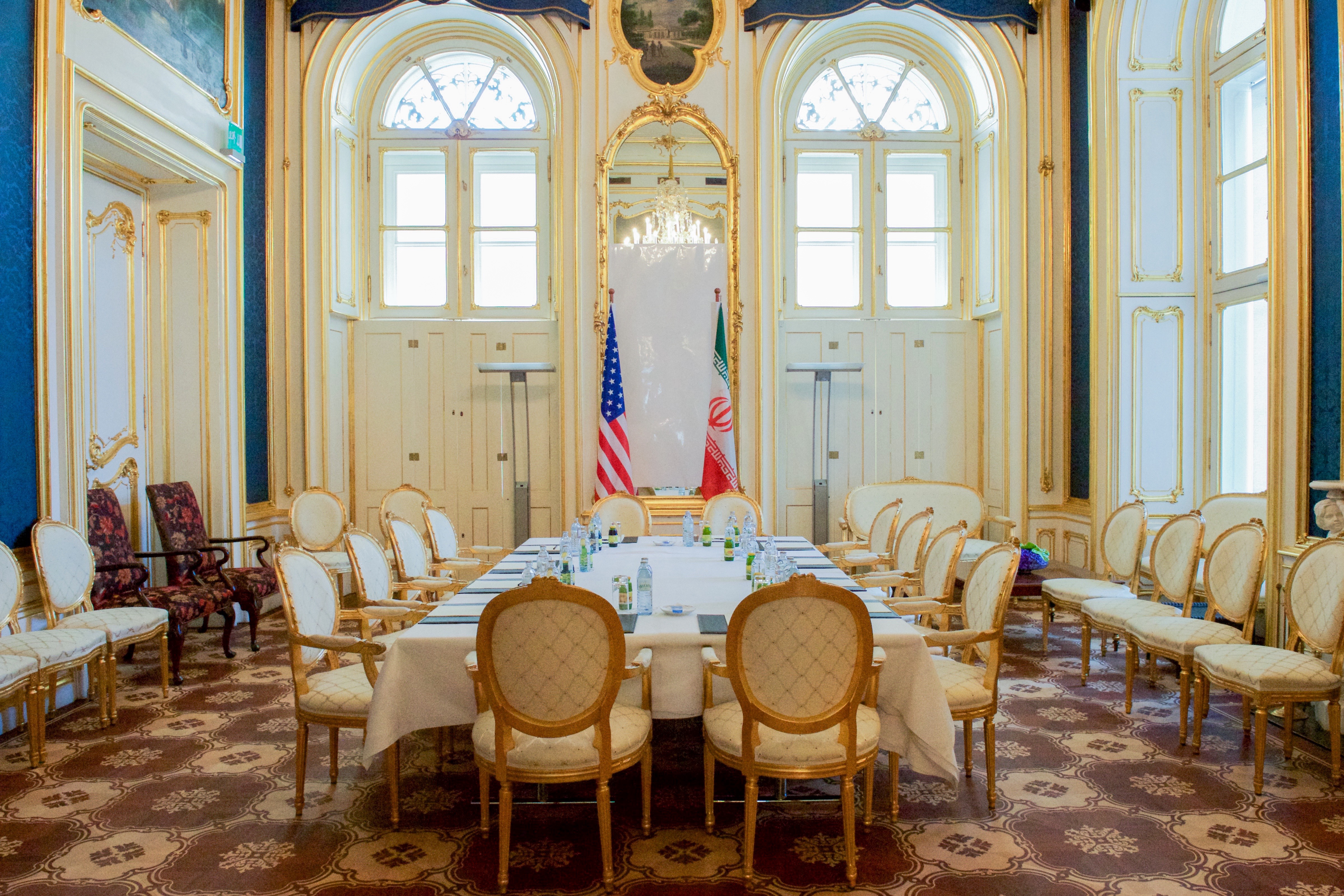
Good faith, a form of honesty, is the lifeblood that flows through contracts, treaties and negotiations, leading to bargains, ceasefires, and the end of wars. Good faith presupposes sincerity of purpose. When parties come to the table to resolve a conflict, they assume that each side genuinely seeks a resolution. The demands may be excessive, [...]

READ MORE

On January 22, the White House released a statement on its website: “Today, in an historic ceremony in Davos, Switzerland, President Donald J. Trump formally ratified the Charter of the Board of Peace—establishing it as an official international organization. President Trump, who is serving as the Board’s Chairman, was joined by Founding Members representing countries [...]

READ MORE

Performative cruelty is an ancient practice, even though the phrase itself is new. Gladiatorial fights (Ancient Rome, c. 264 BCE–5th century CE) in arenas like the Colosseum were intentionally staged spectacles of violence, often involving slaves, prisoners, or volunteers fighting to the death. These public events, attended by massive crowds, promoted imperial power and Roman [...]

READ MORE

Pakistan’s proposed Twenty-Seventh Constitutional Amendment (PCA), which is being hurried through Parliament, introduces sweeping changes to the country’s judicial and military structures. The amendment seeks to restructure the Supreme Court, establish a new Federal Constitutional Court, and redefine the hierarchy of the armed forces. Whether the PCA undermines judicial independence is a serious concern in [...]

READ MORE

Pakistan, established in 1947 as a homeland for South Asia’s Muslims, occupies a pivotal position in regional geopolitics, navigating complex relationships with neighboring Afghanistan and global powers. While Pakistan seeks strategic autonomy through cooperative alliances, its most pressing challenge emerges from the Taliban-controlled Afghanistan, a nation it regards as a brotherly Muslim state. This article [...]

READ MORE

On June 18, 2023, the Canadian government publicly accused the Indian government of killing Hardeep Singh Nijjar, a Canadian citizen and a prominent leader in the Khalistan movement that advocates for an independent homeland in the Punjab region of India. This case illustrates an extraterritorial killing—a form of unlawful killing related to extrajudicial killings. Even [...]

READ MORE

Thinking about writing a legal commentary on the threats to naturalized and birthright citizens in the United States, it unexpectedly occurred to me to question Grok, the large language model (LLM) Elon Musk developed after the success of ChatGPT. Having taught law for decades using the Socratic method, I was curious how Grok would handle [...]

READ MORE