Faculty Commentary

TheChunky, CC BY-SA 4.0, via Wikimedia Commons

Two years ago, Loper Bright Enterprises v. Raimondo removed the interpretive buffer that once indirectly protected municipalities relying on federal agency interpretations. Last week, I argued that municipalities need a pre-adoption risk assessment tool—a way to evaluate regulatory text before it takes effect. But Loper Bright is not the only structural change municipal attorneys need [...]
READ MORE

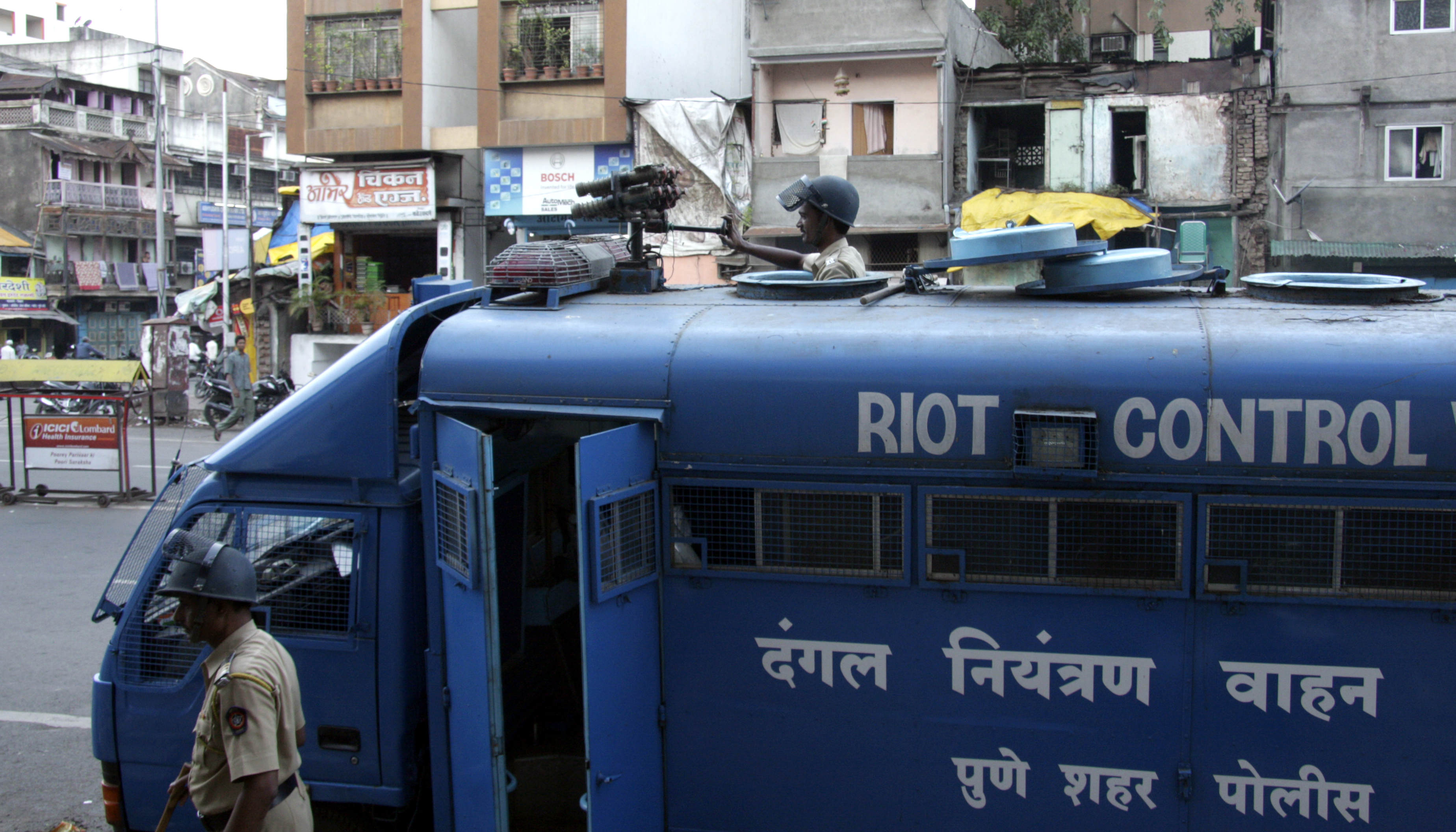
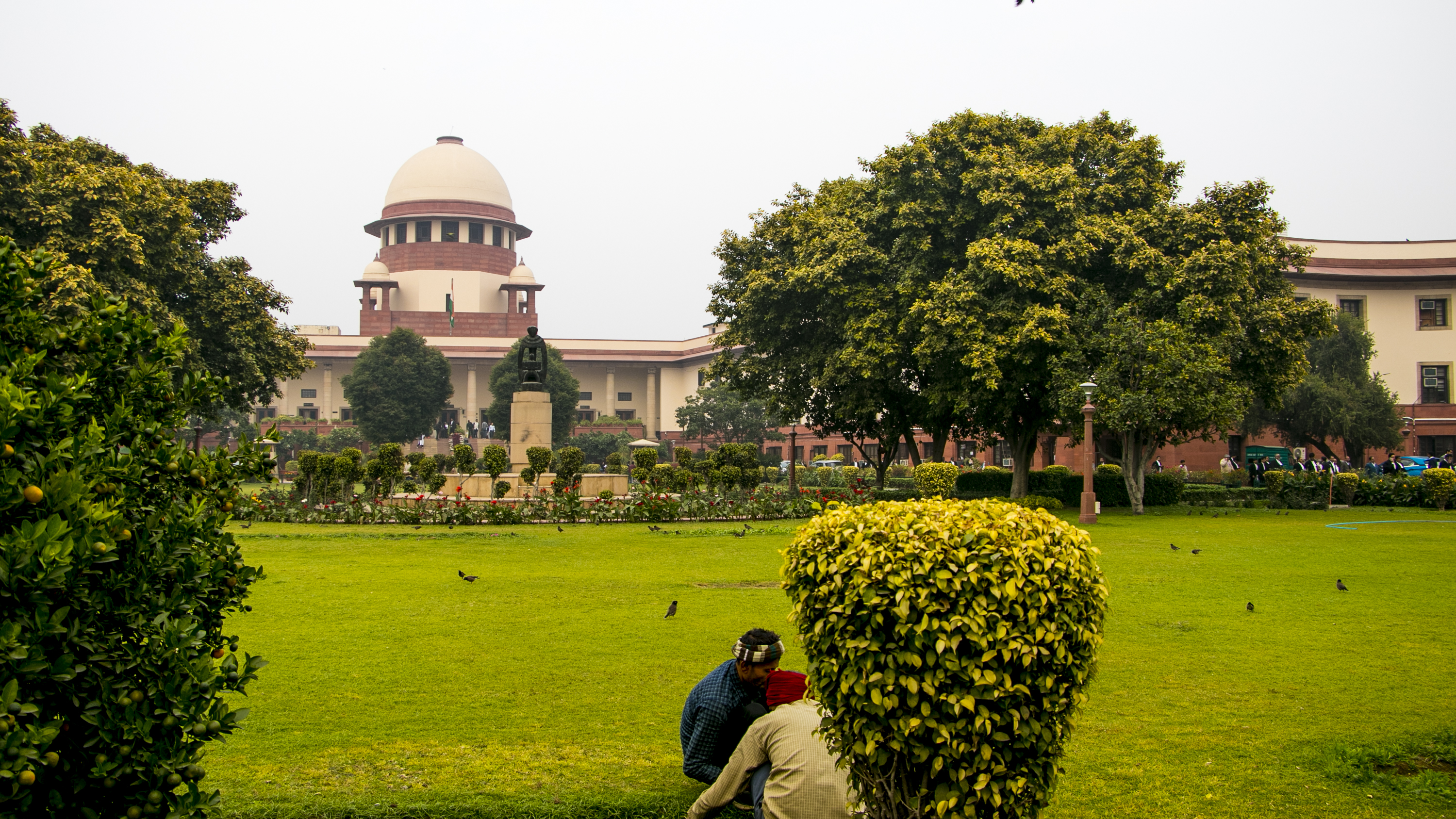
India’s arrest safeguards are again under scrutiny after police arrested more than 100 students two days after the government promised in writing to withdraw cases against non-violent demonstrators, organisers said. The July 25 assurance had ended seven weeks of protests at Jantar Mantar. Such episodes undermine the legitimacy of law enforcement and erode public trust [...]

READ MORE

Mobs in South Africa have looted foreign-owned shops, forced migrants out of townships and displaced tens of thousands of African nationals, conduct that breaches the equality and dignity guarantees of the country’s own constitution and the African Charter on Human and Peoples’ Rights, and that repudiates the Pan-African solidarity that sustained the anti-apartheid struggle. At [...]

READ MORE

Machine-generated text reconstructed from brain activity is now accurate enough to approximate what a person heard, imagined or attempted to say, a capability that, offered as criminal evidence, would let prosecutors put words in a defendant’s mouth while bypassing nearly every safeguard the Federal Rules of Evidence build around human testimony. Federal rulemakers are looking [...]

READ MORE

When the dead of a war are sorted into political categories before they are mourned, something more basic than compassion is lost: the condition that makes legal judgment possible at all. I heard that loss in a Telegram voice message from a friend, recorded as the ongoing conflict reached Iran’s southern provinces and people around [...]

READ MORE
Mubarakansari, CC0, via Wikimedia Commons

Men in plain clothes swung lathis—the long wooden batons Indian police carry for crowd control—at student protesters on New Delhi’s Parliament Street on July 20, striking them alongside uniformed officers while wearing nothing that marked them as police. Indian law conditions a police officer’s immunity from a citizen’s right of private defense on precisely that: [...]

READ MORE
Mojnsen, CC BY-SA 4.0, via Wikimedia Commons

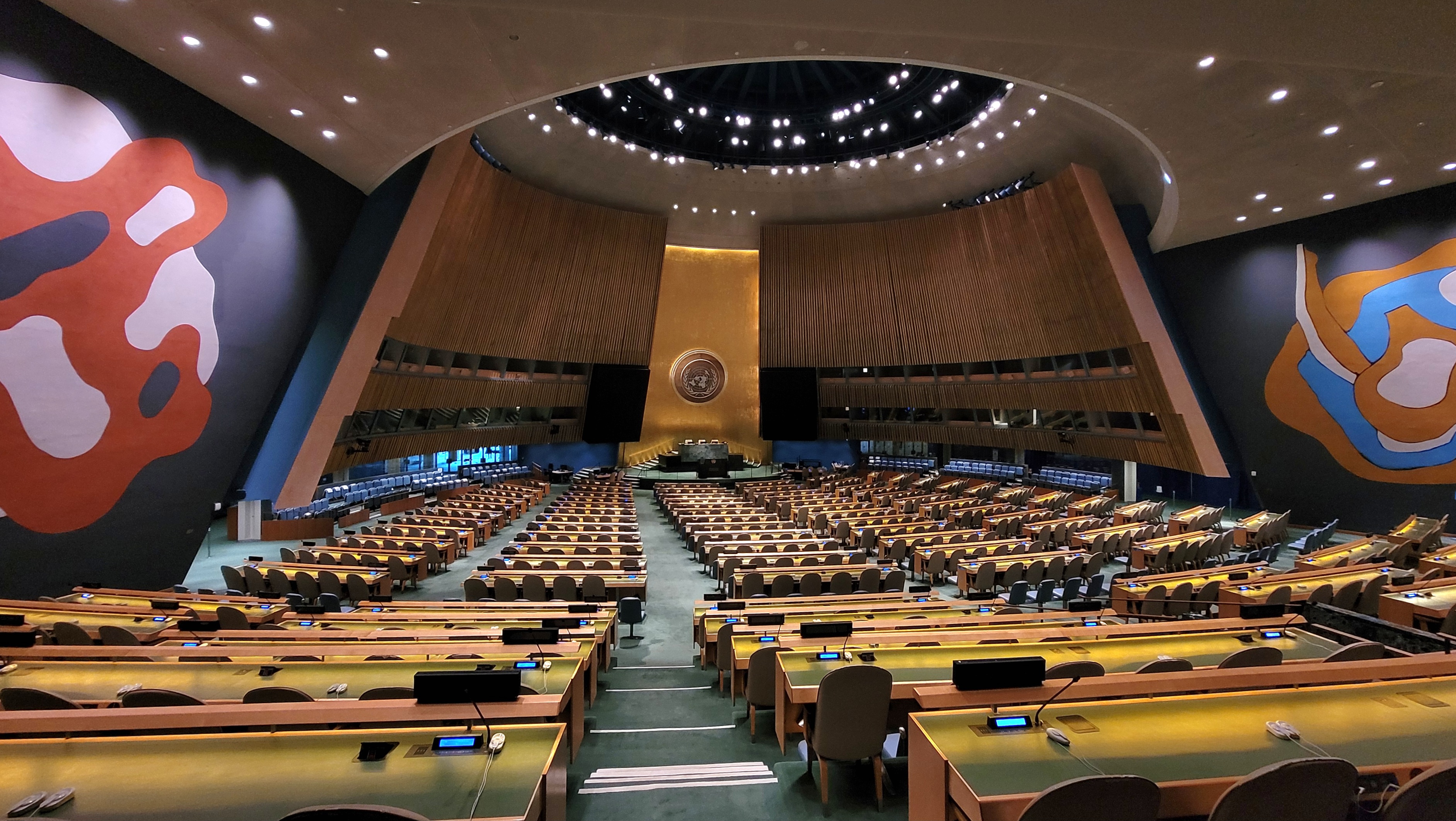
The UN Security Council lent Chapter VII authority to a body it cannot oversee when it adopted Resolution 2803 on Nov. 17, 2025, and the entity that emerged, the Board of Peace, is chaired for an indefinite term by Donald Trump personally rather than by the US government.   That raises a question international lawyers [...]

READ MORE
Toohool, CC BY-SA 4.0, via Wikimedia Commons

For the first time since Congress created it in 1996, the Justice Department has invoked the Alien Terrorist Removal Court (ATRC), a specialized tribunal that may consider classified evidence a respondent never sees, and order a noncitizen accused of terrorism removed. What the statute does not say is who decides whether that removal will deliver [...]

READ MORE

Weapons that select and engage targets without a human pulling the trigger are no longer hypothetical, and the legal architecture governing who bears responsibility when they kill the wrong person has not caught up. US Department of Defense doctrine defines autonomous weapon systems (AWS) as systems that, “once activated, can select and engage targets without [...]

READ MORE

The Gambia’s Supreme Court is weighing whether the country’s 2015 ban on female genital mutilation is unconstitutional — a challenge brought by religious traditionalists who say the prohibition violates their rights to culture and religion. The outcome in Almamy Gibba and Others v. Attorney General will test whether a cultural practice can claim constitutional protection [...]

READ MORE