
There are moments in everyone’s life when it feels as though everything has come to an end—overwhelmed by pressure, stress, and problems. As a woman living in Afghanistan under the systematic violence of the Taliban, I have experienced this deeply. I remember the day my younger sister walked toward school with her books, only to find the gates locked and a Taliban guard turning her away. Her tear-filled eyes are an image I will never forget. The Taliban’s rule has erased women from public life and devastated our personal and family lives.
Since the Taliban chose to maintain their dominance by stripping women of every basic human right, barring us from education and enlightenment, I have tried my best to support the girls and women in my network across the country. I have also worked to raise awareness about the suffering of women and girls under this regime, speaking and writing despite the risks. It is obvious that my efforts place both me and my family in danger.
At times, surrounded by so many problems, I ask myself: is it worth it? Is it worth putting myself at risk to support other women in this moment? These doubts have made me feel uncertain, as though I had forgotten the commitment I made when I chose to become a lawyer: to bring justice to my society. Perhaps that is why meeting Dr. Athena Ives was so meaningful.
In early December, one of my allies, who has been a steadfast supporter, helped me join an online event where Dr. Ives was speaking. That was the moment I first heard and understood the word “Lioness.” For me, the word was like a mirror, reflecting the courage and commitment I already recognized in myself and in Afghan women.
Dr. Athena Ives is a US Marine veteran who served in the pioneering Lioness Program, where women were attached to infantry and special operations units in Iraq. She later earned a Ph.D. in Forensic Psychology and now works as a forensic preventionist, advisor on Women, Peace and Security (WPS), and author. She is known for her advocacy on women in combat and her book They Called Her Rebel, which highlights stories of courageous women across history.
The Lioness Program began informally in 2003, when the US Army started attaching women to infantry units moving through Fallujah. These women weren’t just standing at checkpoints—they became part of fire teams, clearing rooms in close-quarters combat, searching women and children, and gathering intelligence. By 2006, the Marine Corps had organized the program into a formal task force.
When Dr. Ives arrived in 2008, one of the first things she discovered was that the women who had been killed in combat—Lioness members, Cultural Support Teams (CSTs), and Female Engagement Team (FET)—had become known as the Lionesses of Fallujah. They were the first all-female platoon attached to infantry units, and their impact was extraordinary. They reduced the inflow of contraband, intelligence, and weapons, stopping much of what insurgents tried to move into the cities through checkpoints. Their effectiveness made them a target. In one convoy, the enemy identified exactly which vehicle they were in. That was how much these women mattered, and how much they were feared.
Dr. Ives recalled one of the last quotes from a woman who ran into danger: “They need me.” She added, “Some of the bravest people I’ve ever met were women I served with, including the Sisters of Fallujah and the Sisters of Ramadi, and in the different areas we went through.”
She also explained that the only female tactical platoon she has been able to identify from the wars the US was directly involved in was the Afghan Female Tactical Platoon. These women trained with US Army Special Forces advisors and CSTs, and their accomplishments included locating insurgents hiding inside compounds and gathering intelligence from women, very similar to the work of the CSTs. According to Dr. Ives, this unit was directly attached to Special Operations Forces and was the only one of its kind in the Afghan security forces. Their success proved that Afghan women could serve in elite combat roles and shifted US Special Operations’ perspective on integrating women into missions.
She emphasized how remarkable it was that many of these women had never even run a mile before, yet in such a short time they trained, fought, and succeeded. For her, their service was a testament to their love for their people and their country.
Although I only had the chance to meet Dr. Athena Ives once, in an online event, her story left a strong impression on me. These women were in combat, in immediate and direct danger, under fire from guns and bombs. At any second they could lose their lives—and some did, like Sgt. Nicole Gee, who was killed in a suicide attack along with 12 other service members. Sgt. Gee deployed to Afghanistan in support of the withdrawal, serving on a FET to facilitate evacuation support for Afghan women and children.
They put their lives at risk to support and uplift other women. Such acts demand bravery, courage, and unwavering dedication.
Their example raises a question: what common characteristics unite these women across the United States, Iraq, and Afghanistan?
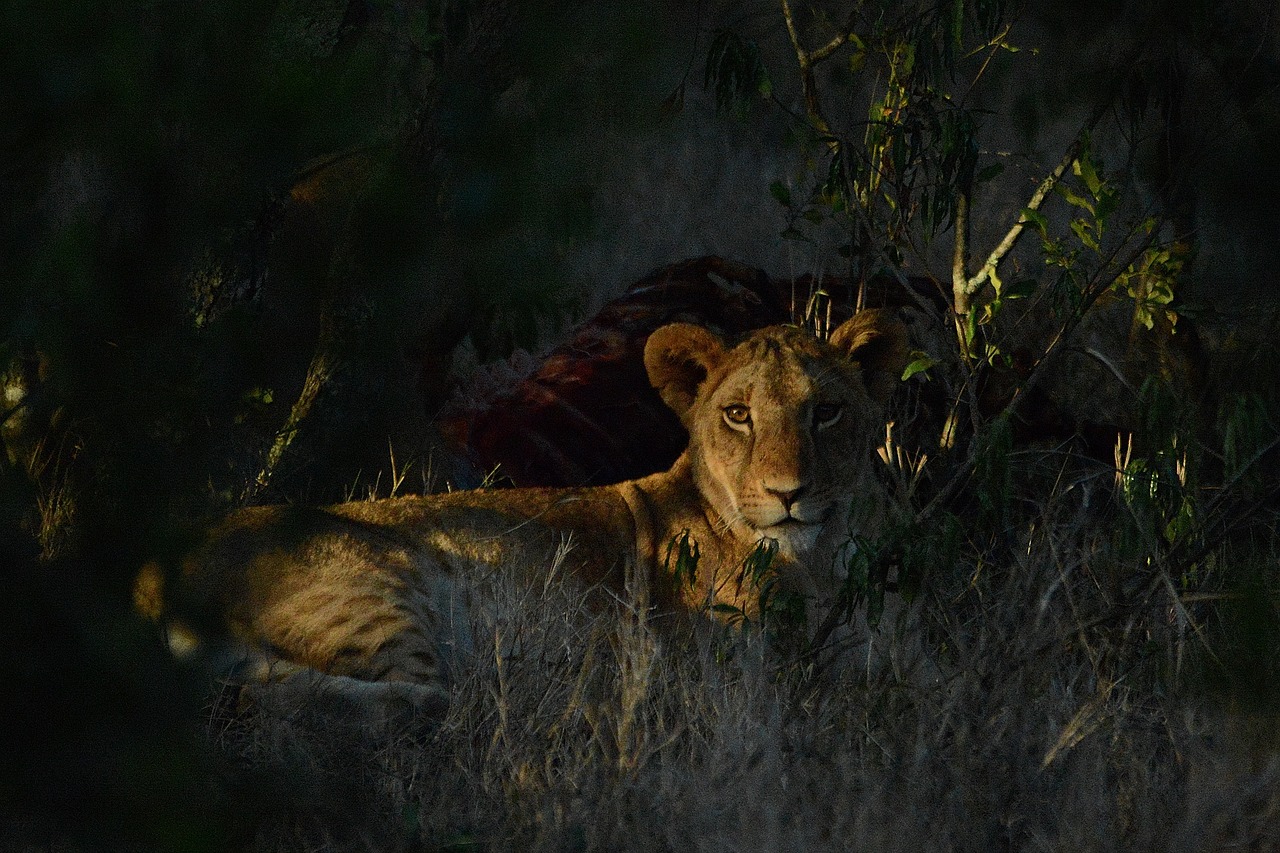
A lioness carries practical courage, risking her life or standing firm when circumstances become unbearable. She is present on the front lines—whether in military combat or in daily social struggles that demand strength—defending others with unshakable resolve. Her instinct is protection and care, creating safety and support for the women around her. A lioness speaks with a collective voice, not only for herself but for the entire community of women whose stories and struggles she carries. A lioness embodies them all.
Hearing their stories, I recognized the same spirit in the women I’ve seen march in Kabul.
By these criteria, countless Afghan women, both inside Afghanistan and in exile, are lionesses. Their fight is not with weapons under the former government or alongside international troops. Their battleground is the street, armed only with words and placards demanding “bread, work, freedom.” They are not struggling for the highest level of Maslow’s hierarchy, but for its foundation: the physiological survival of themselves and their fellow women and girls.
They fight not only in the streets but also on social media, fully aware that Taliban spies are watching. Yet Afghan lionesses continue to speak, raising awareness of their suffering under gender apartheid. On international platforms, when the world turned its blind eye to Afghanistan and global leaders refused even to utter its name, these lionesses stood tall. They spoke for millions of women and girls imprisoned in a nationwide cage, stripped of their human rights.
Even in sports, they sacrificed their futures. Knowing their advocacy might destroy their careers, they nevertheless used their platforms to force the world to confront the femicide unfolding in Afghanistan.
At the 2024 Paris Olympics, 21-year-old Manizha Talash ended her breakdance routine by wrapping herself in a cape bearing the slogan “Free Afghan Women.” She knew she would be disqualified.
“I thought: I’ve got one minute when the whole world’s watching me and I thought, what’s more important, my dream, my life, or women in Afghanistan? I didn’t go there to win, that doesn’t matter to me,” she told The Guardian.
History will not forget them, their advocacy, their bravery, their courage. Their names must be written not only in Afghan memory but in the conscience of humanity. When the men of the country cannot unite or decide on a path forward, Afghanistan’s lionesses rise. They come together, united in their sacred commitment to justice for the women of Afghanistan.
The author is an Afghan legal scholar whose identity cannot presently be revealed due to security concerns.
