
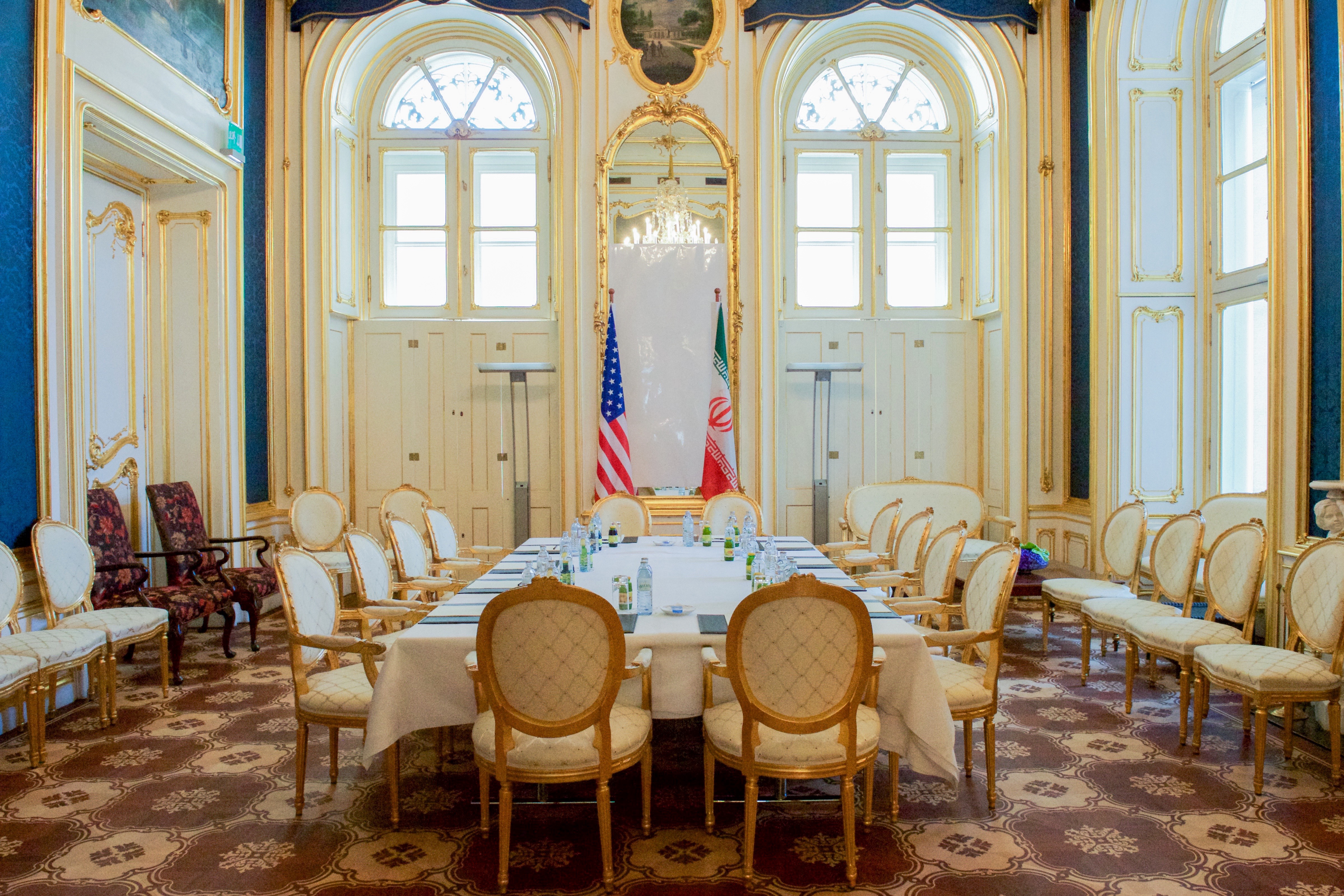
At dawn in Iran, the state speaks in the language it knows best: silence and secrecy. This week, as global attention fixed on the escalating confrontation between Washington and Tehran, the Islamic Republic executed four political prisoners in two days. Their names—Babak Alipour, Pouya Ghobadi, Akbar Daneshvarkar, Mohammad Taghavi‑Sangdehi—will not appear in ceasefire proposals or diplomatic talking points. But they tell us more about the country’s political reality than any missile launch or military communiqué.
According to the state‑run Tasnim News Agency, Alipour and Ghobadi were hanged at daybreak for belonging to the opposition PMOI (MEK) and for “attempting to overthrow the Islamic Republic.” The two men executed the day before faced the same charges. Four executions, two mornings, one message: dissent is not merely suppressed—it is extinguished.
Iran has long used executions as a tool of political control. But since the nationwide uprising that erupted after decades of repression, the pace has accelerated into something closer to a purge. Thousands have been executed since the protests began. The victims are overwhelmingly young, overwhelmingly marginalized, and overwhelmingly guilty of nothing more than refusing to accept the narrow confines of life under a regime that has lost the confidence of its own people.
And yet, even as Iran intensifies its campaign of state violence, the United States is pursuing a strategy that is an unlawful attempt to topple the Iranian government. The irony is stark: an illegal intervention unfolding alongside a government committing grave human‑rights abuses, with ordinary Iranians trapped between the two.
This is the part of the story that rarely makes it into policy debates. Ceasefires are discussed in terms of troop movements, missile ranges, and regional deterrence. But a ceasefire is also a moral document. It reflects what the international community is willing to insist upon—and what it is willing to ignore.
If the world is serious about protecting human life, then any ceasefire involving Iran must include a simple, non‑negotiable condition: the executions must stop.
This is not an abstract demand. In conflicts from the Balkans to Central America, ceasefire agreements have been used to halt extrajudicial killings and create space for political dialogue. Iran should not be exempt from such obligations. In fact, given the scale of state violence, the need is more urgent.
Some will argue that tying a ceasefire to human‑rights conditions risks prolonging the conflict. But the alternative—allowing the executions to continue in the shadows—is morally indefensible. A ceasefire that ignores the regime’s killing spree would amount to tacit approval. It would signal that the world is prepared to negotiate over airstrikes and sanctions but not over the lives of Iranian citizens.
And it would misunderstand the nature of the crisis. The Islamic Republic is not executing dissidents because it feels secure. It is executing them because it feels threatened—by its own people. The regime’s violence is not a sign of stability; it is a sign of decay.
The Iranian people have endured decades of repression, corruption, and economic collapse. They have risen up again and again, only to be met with bullets, prisons, and gallows. Their struggle is not theoretical. It is written in the faces of Alipour, Ghobadi, Daneshvarkar, and Taghavi‑Sangdehi—ordinary men whose only crime was believing that their country could be something more than a place where hope is punished with a noose.
The world cannot undo their deaths. But it can prevent the next one.
A ceasefire that fails to halt the executions is not a step toward peace. It is a pause that allows the machinery of repression to keep running. If the international community wants to claim even a shred of moral seriousness, it must insist on one urgent demand:
Stop the killing. Start there.
*David M. Crane is a global leader in international criminal justice and the founding Chief Prosecutor of the UN Special Court for Sierra Leone. He has spent decades shaping accountability mechanisms around the world, including serving as a driving architect behind the Special Tribunal for the Crime of Aggression against Ukraine. Crane is a distinguished scholar of international law, a former senior U.S. national security official, and a leading voice on the rule of law, state responsibility, and the legal limits on the use of force.

