
The earth shook beneath Afghanistan once again, and as rescue workers pulled bodies from the rubble, one devastating truth became clear: half our population remains invisible even in our darkest hour.
As aftershocks continue to rattle the earthquake-stricken regions, the images and videos emerging from the disaster zone tell a familiar, heartbreaking story. Men dig through collapsed homes. Male doctors treat the wounded. Male officials coordinate relief efforts. But where are Afghanistan’s women and girls in this narrative of survival and recovery?
They are there, of courseburied under debris, crying out for help, suffering in silence. They are the mothers clutching their children in damaged homes, the daughters too afraid to venture outside for medical care, the female medical professionals forbidden from doing the work they trained years to do. Yet in the official documentation of this tragedy, they might as well not exist.
This erasure isn’t accidental; it’s policy. Under Taliban rule, women have been systematically removed from public life, banned from most jobs, and prohibited from appearing in media. Now, as our nation faces yet anot sher natural disaster, we’re witnessing how these restrictions don’t pause for emergencies. They compound them.
The earthquake has claimed hundreds of lives and left thousands more injured and homeless. But for Afghan women and girls, the devastation extends beyond collapsed buildings and blocked roads. When female doctors and nurses are banned from working, who treats the injured women who cannot be examined by male medical staff? When women cannot appear in media coverage, how do we assess the full scope of their needs? When female aid workers are prohibited from operating freely, how do we ensure relief reaches the women and children who need it most?
The cruel irony wasn’t lost on me when I learned that Qatar’s relief delegation—sent to help us in our hour of need—is led by a woman minister. Here was a female leader arriving to assist a country that has banned women from holding any government position, from attending university, from even working in most sectors. The contrast couldn’t be starker: a woman flying in to help save lives in a place where local women are forbidden from doing the same work.
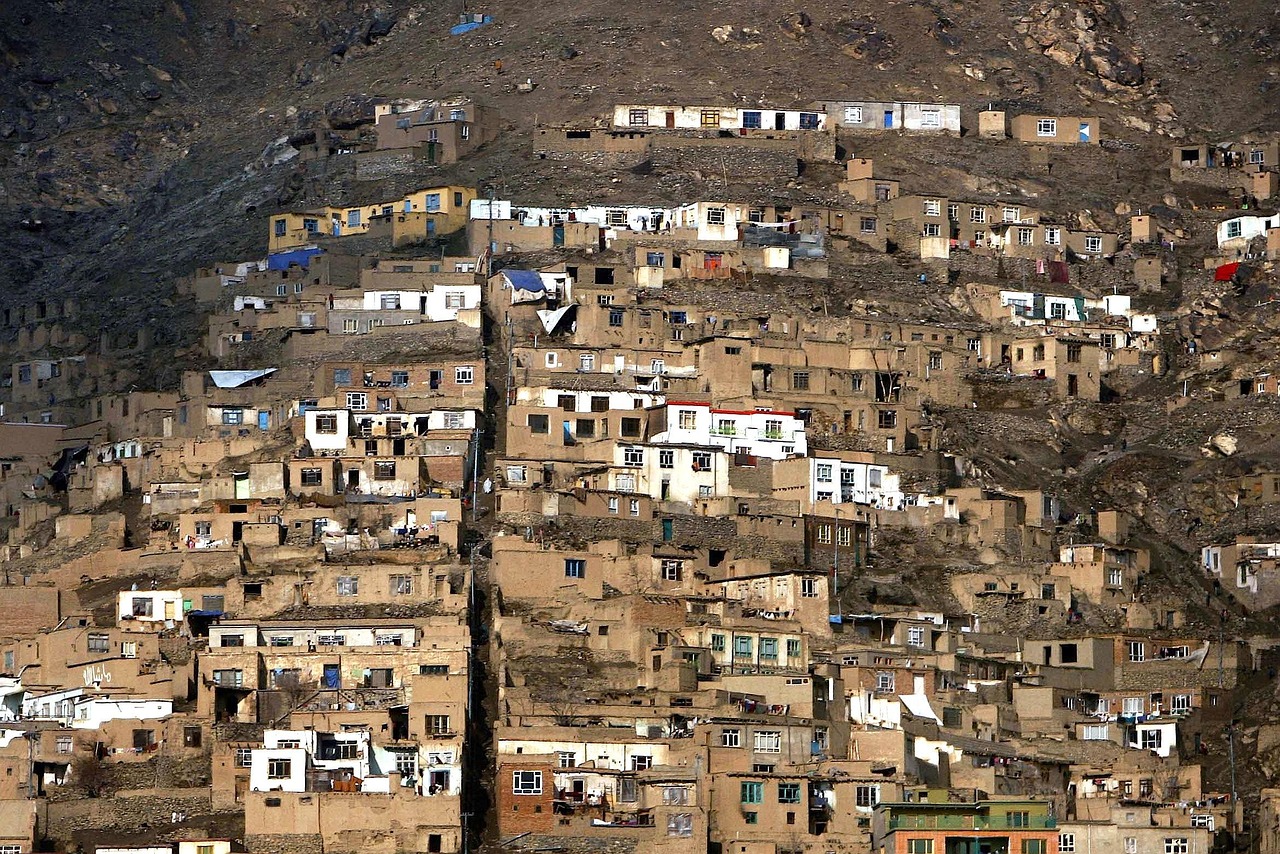
This earthquake bears eerie similarities to the 2023 disaster in western Afghanistan that killed nearly 3,000 people. Then, as now, the victims lived in substandard housing that crumbled like paper when the ground moved. Then, as now, women and girls bore the brunt of suffering while being largely excluded from relief efforts. We learned nothing from that tragedy because we refuse to acknowledge half our population as part of the solution.
Afghanistan’s housing crisis isn’t just about poverty. It’s about a system that has abandoned comprehensive development. When you exclude women from the workforce, from education, from public life, you lose access to half your engineers, architects, doctors, and community leaders. You lose the perspectives and expertise needed to build resilient communities that can withstand both natural disasters and social catastrophes.
The international community watches these disasters with sympathy, sending aid and condolences. But they must also recognize that Afghanistan’s humanitarian crises cannot be separated from its human rights abuses. Every restriction placed on women and girls makes our entire society more vulnerable to disasters, both natural and man-made.
In my reporting, I speak to women who risk everything to share their stories because they know the world needs to hear them. They tell me about injured women afraid to seek medical care, about girls trapped in damaged homes with no one to help them, about female teachers and doctors who could be saving lives but are instead confined to their houses by law.
These women understand what many policymakers refuse to acknowledge: sustainable recovery requires everyone’s participation. You cannot rebuild a society while excluding half its population. You cannot create resilient communities while silencing half their voices.
As the immediate crisis of this earthquake subsides, the longer-term work of recovery begins. But that work will fail, as it has before, if it continues to ignore Afghanistan’s women and girls. True resilience—the kind that can withstand future earthquakes, droughts, and other disasters—requires the full participation of all Afghans.
The ground beneath our feet may be unstable, but our commitment to including all voices in Afghanistan’s recovery must remain unshakeable. The invisible half of our population deserves to be seen, heard, and included, not just in times of crisis, but in the daily work of building a society that can endure whatever challenges lie ahead.
Until that happens, we will continue to face disasters with half our strength, half our wisdom, and half our hope. Afghanistan deserves better. Afghan women and girls deserve better. And the world must not look away from the full scope of our suffering, or our potential.
This article was written by an anonymous Afghan legal scholar whose identity cannot be publicly revealed due to ongoing and severe security concerns.
